

What is drayage
Drayage is the short-distance movement of freight, usually a shipping container, between a port, rail ramp, warehouse, distribution center, or final delivery facility.
In modern logistics, drayage is the local trucking link that connects ocean, rail, and warehouse networks. A container may travel thousands of miles by vessel or train, but it still needs a truck to move it from the terminal to the facility, or from the shipper to the export terminal. That short local move is drayage.
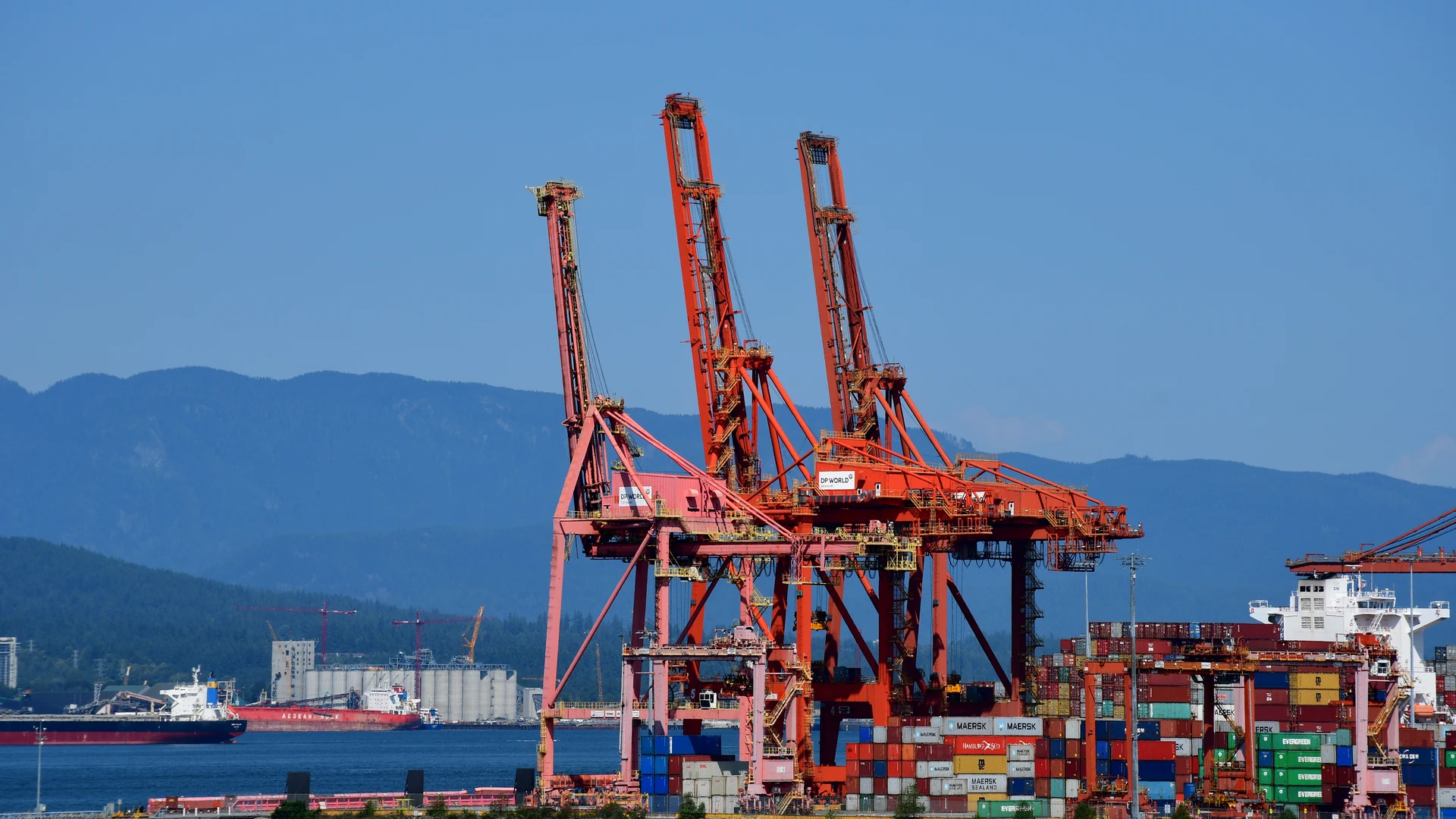
Simple definition: Drayage is the first-mile or last-mile trucking move that connects a container terminal, rail ramp, or port with a nearby shipper, consignee, warehouse, or distribution center.
Quick answer
Drayage usually means local container trucking.
It can include:
- Moving an import container from a marine terminal to a warehouse.
- Moving an export container from a shipper facility to a port.
- Moving a container between a rail ramp and a local facility.
- Moving an empty container between a depot, terminal, or customer location.
- Supporting transload, cross-dock, or distribution workflows near a port or inland rail hub.
The move is often short compared with the full shipment, but it is operationally important because it touches terminals, appointment rules, chassis availability, demurrage, detention, driver capacity, and local traffic.
How drayage works today
Today, a drayage move usually starts with a container and a terminal event.
For an import, the container arrives at a marine terminal or rail ramp. Once it becomes available, a drayage carrier picks it up and delivers it to the consignee, warehouse, or distribution center.
For an export, the flow is reversed. The truck picks up the loaded container from the shipper or picks up an empty first, brings it to the shipper for loading, and then delivers the loaded container to the export terminal before cutoff.
Import drayage
Import drayage moves cargo from the port or rail ramp to the receiving facility.
Common steps include:
- Vessel or rail arrival.
- Container availability.
- Customs and release status.
- Terminal appointment.
- Chassis assignment or chassis pickup.
- Loaded container pickup.
- Delivery to the consignee or warehouse.
- Empty container return.
Export drayage
Export drayage moves cargo from the shipper to the export terminal.
Common steps include:
- Empty container pickup.
- Delivery of the empty to the shipper.
- Loading at the shipper facility.
- Loaded container pickup.
- Gross weight and export documentation checks.
- Terminal appointment.
- Loaded container ingate before cutoff.
Rail drayage
Rail drayage connects an inland rail ramp with a warehouse, shipper, consignee, or transload facility. The container may have arrived by rail from a port or may be moving by rail after a local pickup.
Rail drayage is common in inland markets such as Chicago, Dallas, Atlanta, Memphis, Kansas City, and other large intermodal hubs.
Main types of drayage
Drayage is not one single move type. The word can describe several short-haul container workflows.
- Port drayage: Movement of a container to or from a marine terminal. It is common in gateway markets such as Los Angeles/Long Beach, New York/New Jersey, Savannah, Houston, Charleston, Norfolk, Oakland, Seattle/Tacoma, and Miami.
- Intermodal drayage: Movement that connects different transportation modes, usually rail and truck or ocean and truck. The container stays intact while the transportation mode changes.
- Import drayage: Movement of inbound cargo from a port or rail ramp to a consignee, warehouse, distribution center, or transload facility.
- Export drayage: Movement of outbound cargo from a shipper facility to a port or rail ramp so it can move by vessel or rail.
- Empty repositioning: Movement of empty containers between terminals, depots, yards, and customer locations.
- Transload drayage: Movement of ocean containers to a facility where cargo is unloaded and reloaded into another trailer or container, often a domestic 53-foot trailer or container.
- Drop and pick: A workflow where the driver drops the container at the facility and returns later to pick it up.
- Live load and live unload: A workflow where the driver waits while the container is loaded or unloaded.
Key equipment in drayage
Modern drayage depends on specialized equipment and local terminal access.
- Container: The standardized box that holds the freight. Common container types include
20GP,40GP,40HC, refrigerated containers, open tops, flat racks, and tank containers. Portmate separates standard container types from special container types. - Chassis: The wheeled frame used to carry the container by truck. Chassis availability can be one of the biggest constraints in port and rail drayage, especially when a load needs a specific chassis tier.
- Tractor: The truck power unit that pulls the chassis and container. Many port drayage trucks are heavy-duty Class 8 tractors.
- Terminal or rail ramp: Where the container is picked up, dropped off, or transferred between modes.
- Depot or yard: Used for empty pickup, empty return, chassis support, storage, or staging.
The U.S. Environmental Protection Agency describes modern drayage trucks as heavy-duty trucks that move containers and bulk freight between ports, intermodal rail facilities, distribution centers, and nearby locations.
Why drayage is operationally complex
Drayage looks simple because the truck move is local. In practice, it has many moving parts.
A drayage quote or booking may depend on:
- Terminal location.
- Facility address.
- Container type.
- Cargo weight.
- Chassis type and availability.
- Import or export direction.
- Customs and freight release.
- Terminal appointment availability.
- Vessel, rail, or cutoff timing.
- Empty return location.
- Tolls, traffic, and local route constraints.
- Accessorials such as pre-pull, storage, detention, chassis split, overweight handling, or waiting time.
That is why a short local move can have a large effect on the full shipment. If drayage fails, the container may miss cutoff, sit at the terminal, accrue demurrage, delay production, or miss the receiving window.
Why drayage matters in the supply chain
Drayage is the connection point between global transportation and real-world delivery.
It matters because:
- It turns a port arrival into a warehouse delivery.
- It turns a shipper pickup into an export sailing.
- It connects rail ramps with inland distribution.
- It affects demurrage, detention, storage, and appointment costs.
- It determines whether the container actually moves when the long-haul carrier is done.
Drayage is short-haul work, but it sits at the point where many logistics problems become visible. A shipment can cross the ocean successfully and still fail if the local container pickup, delivery, or empty return is not handled correctly.
Drayage in the Portmate context
Portmate focuses on making drayage easier to quote, book, and manage.
Instead of treating drayage as a back-and-forth email process, Portmate helps users turn shipment details into structured drayage workflows:
- Find a supported terminal or rail ramp.
- Quote a lane from terminal to facility or facility to terminal.
- Check container type, weight, and accessorial needs.
- Understand when overweight handling or special equipment may apply.
- Move from quote to booking when the details are ready.
A truck earns money when it is moving cargo, not when it is waiting, deadheading, or searching for the next load. By aggregating drayage volume across lanes, terminals, and facilities, Portmate can help dispatch capacity more efficiently and reduce wasted local miles.
You can learn the quoting workflow in the instant drayage quote guide.
What you can do next
If you are planning a container move, start with the details that define the drayage lane:
- Port, terminal, rail ramp, or metro.
- Facility address.
- Container type.
- Cargo weight.
- Import or export direction.
- Any special requirements such as overweight handling, live unload, drop, hazmat, refrigerated cargo, or appointment timing.
If you do not know every detail yet, you can still use the available information to create a planning estimate and refine the quote later.
Drayage began as a short local cart move. Today, it is the local execution layer that makes global container shipping actually reach the customer. For a deeper historical view, read History of drayage.