

Special container types
Special container types are used when cargo does not fit a standard dry, high cube, reefer, or non-operating reefer container. These moves can still be possible, but they usually need manual review because the rate depends on the exact equipment, cargo dimensions, securement, terminal rules, carrier capability, and route restrictions.
This guide explains common special container types in drayage, when they are used, and what details Portmate needs before pricing or confirming the move.
Special equipment should be treated as a planning conversation first. The exact container, cargo, route, and terminal can change whether the shipment is supportable.
Quick answer
Special container types include:
- Open top containers: Cargo loaded from above or cargo too tall for a closed roof
- Flat rack containers: Oversize, heavy, wide, or irregular cargo
- Tank containers: Bulk liquid or gas cargo
- 45-foot containers: Longer ocean containers used for additional cube
- 53-foot containers: Domestic intermodal-style containers used on supported domestic lanes
- Platform containers: Project cargo that cannot fit inside a box
- Bulk containers: Dry bulk cargo with special loading or discharge requirements
- Side-door or double-door containers: Cargo that needs unusual loading access
These equipment types are not standard Portmate instant quote codes. They usually need manual review because pricing depends on equipment availability, routing, permits, terminal handling, securement, carrier confirmation, and the exact cargo profile.
Why special containers need review
Standard instant quotes work best when the container type has predictable tare, payload, chassis, and routing assumptions. Special containers do not always behave that way.
Manual review is usually needed when the container or cargo has:
- Out-of-gauge height, width, or length
- Open top, flat rack, platform, tank, or project cargo equipment
- Special lifting, blocking, bracing, lashing, or securement needs
- Cargo that cannot be handled like a normal sealed box
- Terminal restrictions or appointment requirements
- Route restrictions, permits, escorts, or bridge concerns
- Unusual shipper-owned container specifications
- Carrier-specific equipment or interchange requirements
For those moves, the right price depends on the actual container, cargo dimensions, loading method, route, terminal, and carrier equipment. That is why they are better handled through manual review instead of a generic instant quote.
Common special container types
The equipment types below are common enough to recognize, but still specialized enough that they should be reviewed before pricing.
Open top containers
Open top containers are used when cargo must be loaded from above or is too tall for a closed-roof container. They may use a removable tarpaulin or removable roof bows depending on the unit and cargo.
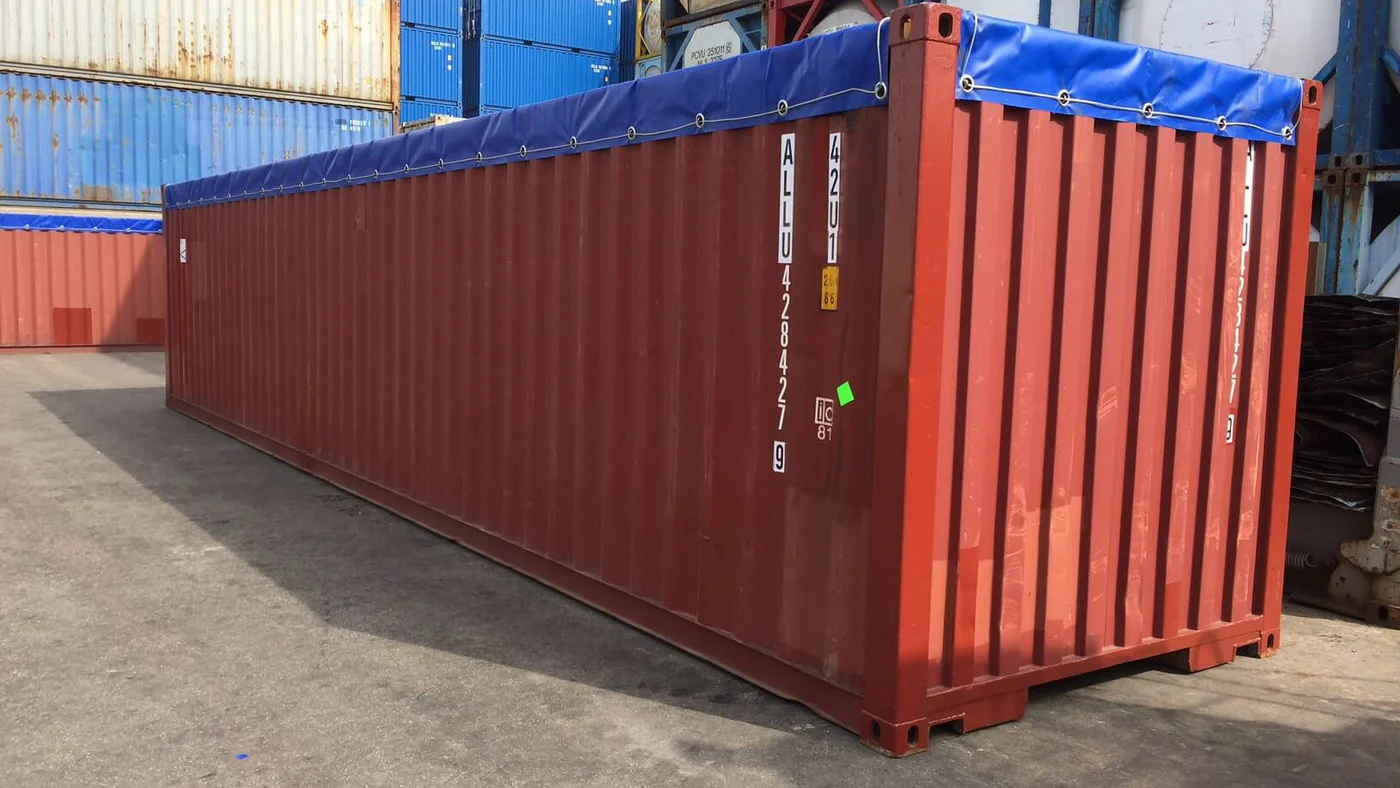
Open top drayage may require review for height, crane loading, tarp condition, water exposure, terminal rules, and route clearance.
Flat rack containers
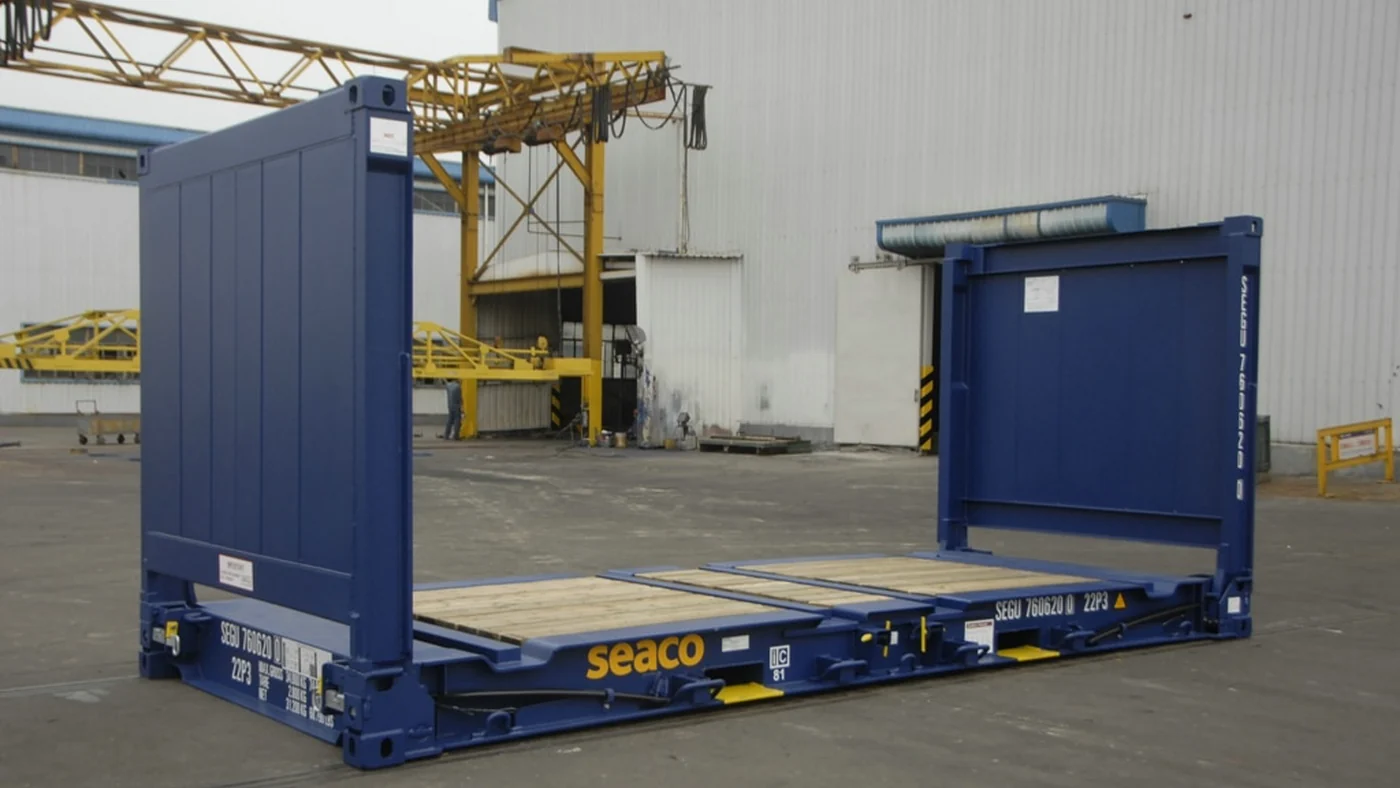
Flat rack containers are used for cargo that is oversize, heavy, wide, tall, or irregularly shaped. They have a platform base and end walls, but no full side walls or roof.
20-foot flat rack: Used when cargo needs a shorter flat rack platform, often for heavy or irregular cargo that does not fit inside a dry container.
40-foot flat rack: Used when cargo needs more platform length, subject to route, securement, terminal, and carrier review.
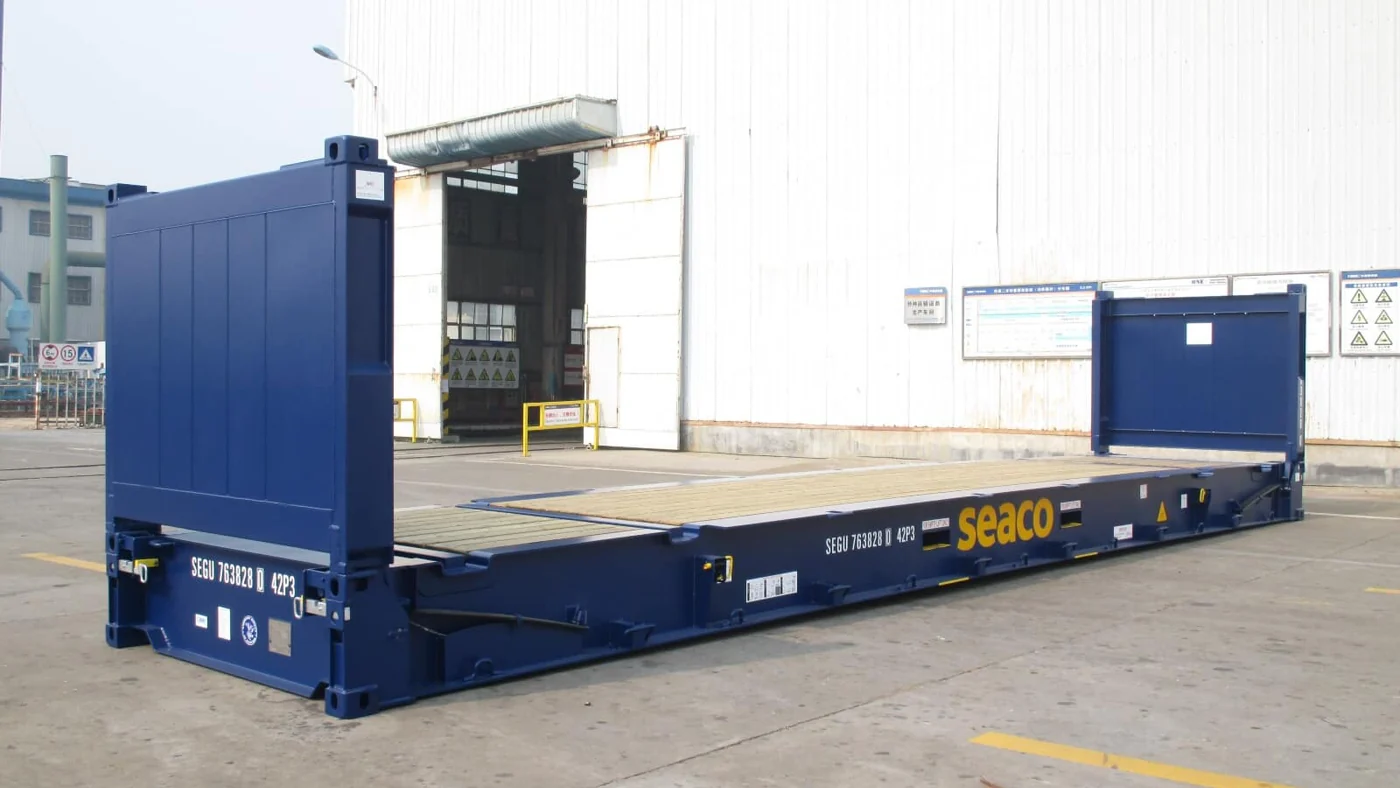
Flat rack moves often need cargo dimensions, weight distribution, lashing plan, overheight or overwidth details, permit review, and carrier confirmation.
Tank containers
Tank containers are used for bulk liquid or gas cargo. They are specialized units and may involve hazmat, food-grade, chemical, temperature, cleaning, or product-specific requirements.
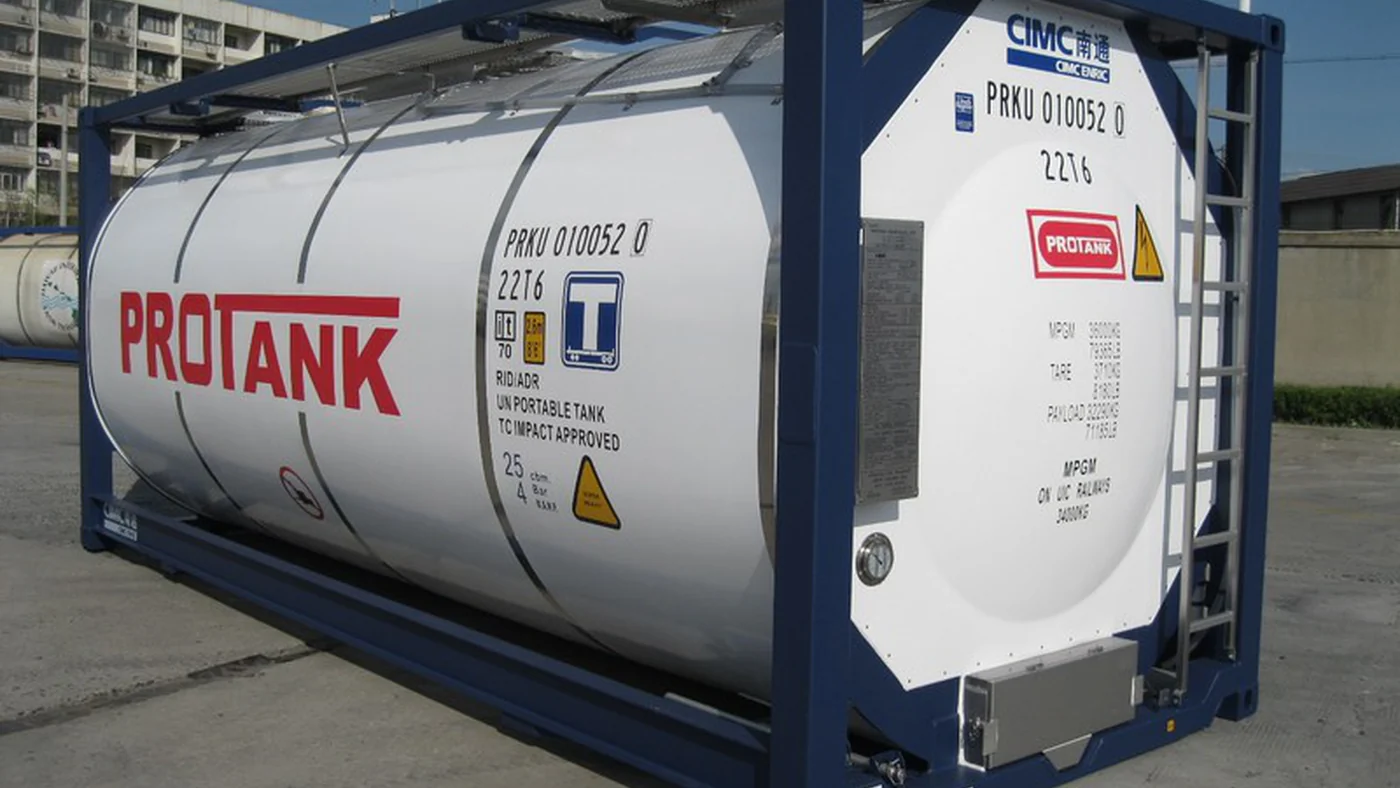
Tank drayage usually needs commodity details, safety data, equipment compatibility, chassis support, terminal acceptance, and carrier qualification before pricing.
45-foot containers
A 45-foot container is a longer ocean container used for more cubic capacity than a 40-foot box. It may not be supported on every terminal, chassis pool, carrier network, or local lane.
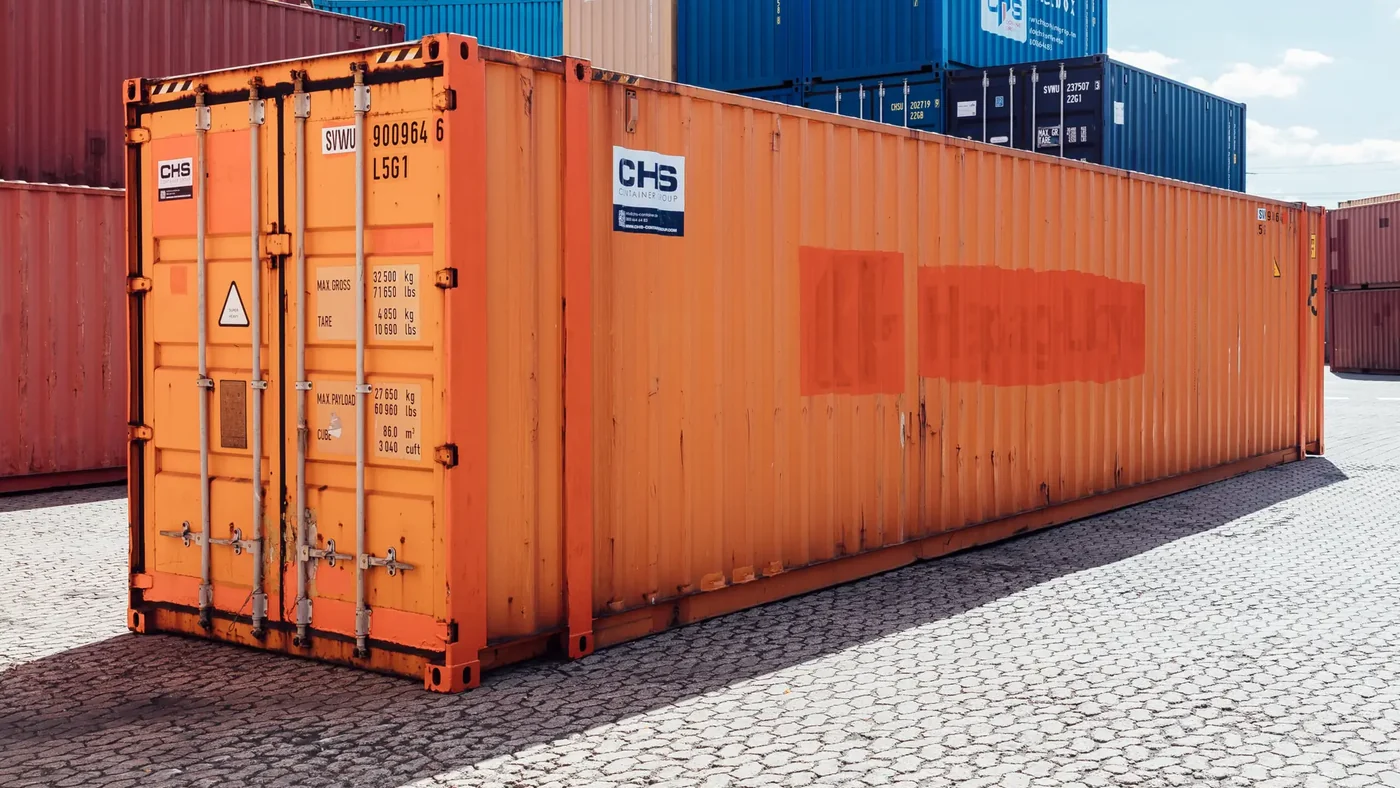
A 45-foot move may need review for terminal support, chassis availability, routing, empty return, and whether the carrier accepts the equipment on that lane.
53-foot containers
A 53-foot container is usually domestic intermodal-style equipment rather than a standard international ocean container. It can be useful on supported domestic networks, but it is not a standard international drayage assumption.
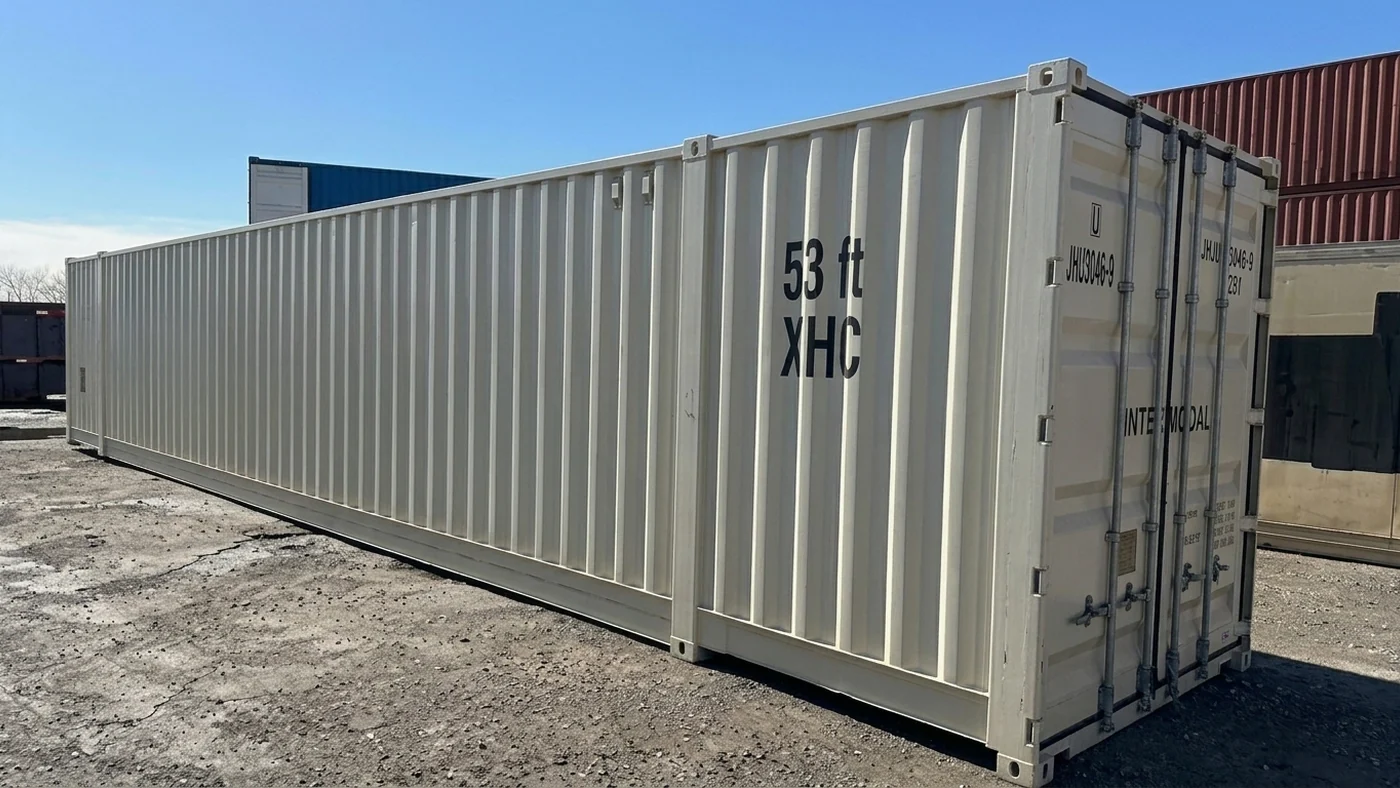
A 53-foot move may need review for domestic equipment support, origin and destination access, chassis availability, routing, and carrier coverage.
Platform, bulk, side-door, and double-door containers
Some special equipment does not fit into the common instant quote categories, even if the container looks similar from the outside.
Examples include:
- Platform containers: Project cargo that cannot fit inside a box
- Bulk containers: Dry bulk cargo with special loading or discharge needs
- Side-door containers: Cargo that needs side access instead of rear-door loading
- Double-door containers: Cargo that benefits from doors at both ends
- Custom shipper-owned containers: SOC units with unusual tare, dimensions, or handling rules
These should be reviewed with the actual equipment details, because assumptions can vary significantly by manufacturer, owner, route, and terminal.
Details to provide for manual review
For special container pricing, include as many details as possible in the first message.
Useful details include:
- Container type and size
- Container owner or whether it is shipper-owned equipment
- Cargo dimensions, including length, width, height, and overhang
- Net cargo weight
- Commodity and whether it is hazmat, food-grade, temperature-sensitive, or regulated
- Photos, drawings, or packing details if available
- Terminal, ramp, port, or metro
- Full facility address when available
- Loading method and whether crane, forklift, or special equipment is needed
- Securement, blocking, bracing, tarp, or lashing needs
- Any known permits, escorts, appointment rules, or terminal restrictions
The more specific the first request is, the faster the move can be checked against routing, carrier capability, equipment availability, and terminal rules.
How this affects pricing
Special container pricing can change more than standard dry or reefer pricing because there are more operational variables.
The final rate may depend on:
- Chassis type and availability
- Crane, lift, or special handling needs
- Cargo securement and driver time
- Permits, escorts, and route restrictions
- Terminal access rules and appointment timing
- Whether the cargo is in-gauge or out-of-gauge
- Empty return location and equipment ownership
- Carrier experience with the equipment and commodity
For standard supported containers, use the standard container types guide and the standard container sizes and payloads guide to check supported instant quote codes, dimensions, tare, and payload assumptions.
What you can do next
If your shipment uses open top, flat rack, tank, platform, 45-foot, 53-foot, shipper-owned custom equipment, or out-of-gauge cargo, ask for manual review instead of treating it like a standard instant quote.
Send the container type, cargo dimensions, cargo weight, terminal, facility address, and any photos or special handling notes you have. Portmate can then review the move with the right operational context before pricing.