

History of drayage
Drayage began as a short local freight move. Before container ships, rail ramps, chassis pools, and digital terminal appointments, a dray was a low cart used to move heavy goods through ports, markets, rail yards, warehouses, and city streets.
The equipment has changed from horse-drawn carts to Class 8 tractors pulling container chassis, but the core job is still recognizable: connect the long-distance freight network to the local place where cargo needs to be picked up, delivered, stored, loaded, or unloaded.
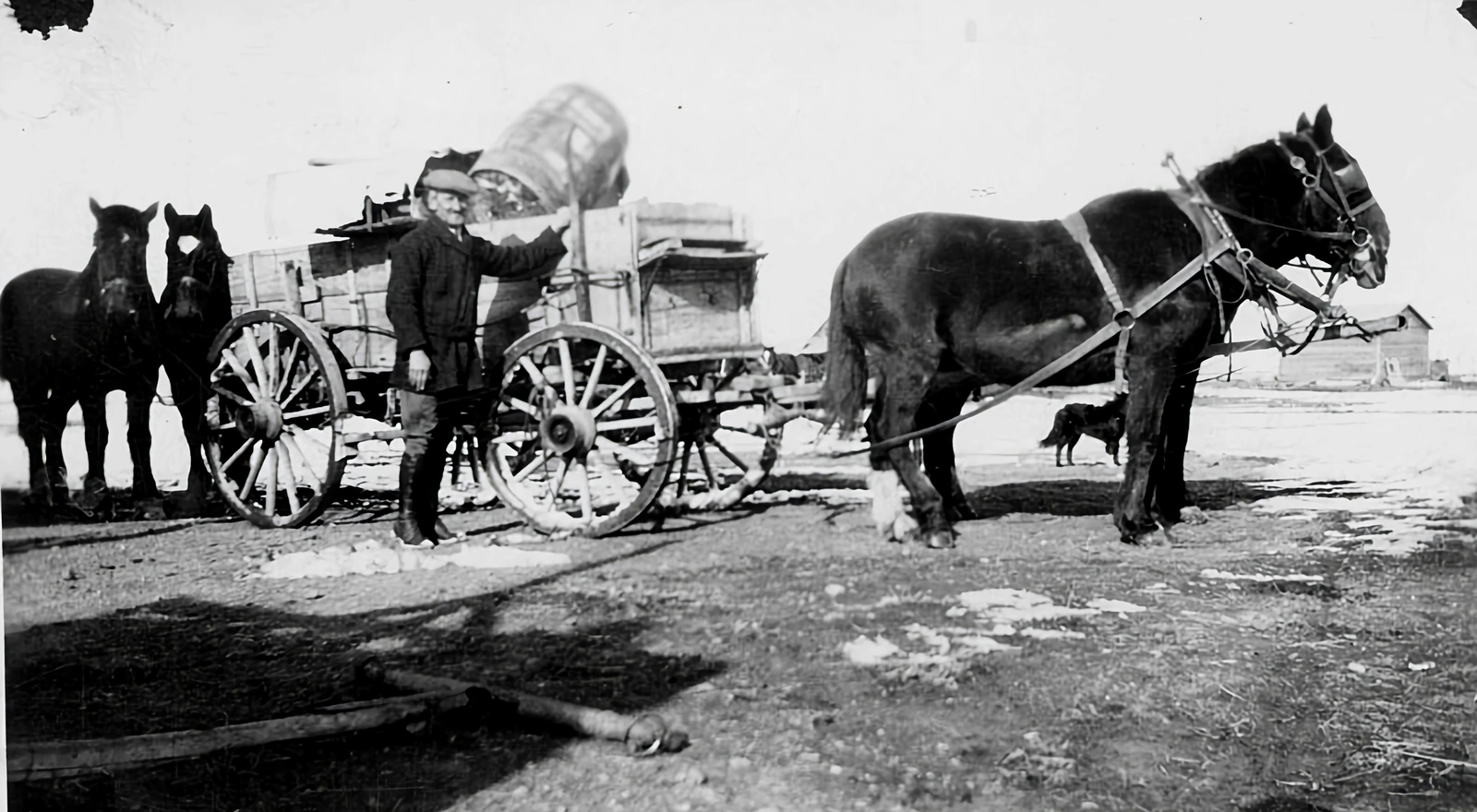
The word drayage
The word drayage comes from dray, a low, flat cart traditionally used to move heavy goods over short distances. Before trucks, drays were pulled by horses or mules through dense commercial areas where freight had to move between docks, warehouses, rail yards, markets, and merchants.
That early work was slow and physical, but the function was the same one drayage still performs today:
- Move cargo from the dock to a nearby warehouse.
- Move goods from a rail yard to a merchant.
- Move heavy freight through a city before motor trucks existed.
- Bridge the small but essential gap between long-distance transport and local delivery.
The old dray was limited by animal power, street conditions, and manual handling. But it solved a real logistics problem: cargo did not finish its journey just because the ship or train arrived.
Breakbulk cargo before containers
Before containerization, cargo was often moved as breakbulk freight. Workers loaded and unloaded individual pieces of cargo by hand or with smaller equipment. Freight might be handled as barrels, crates, sacks, bales, pallets, machinery, timber, and other loose or semi-loose cargo.
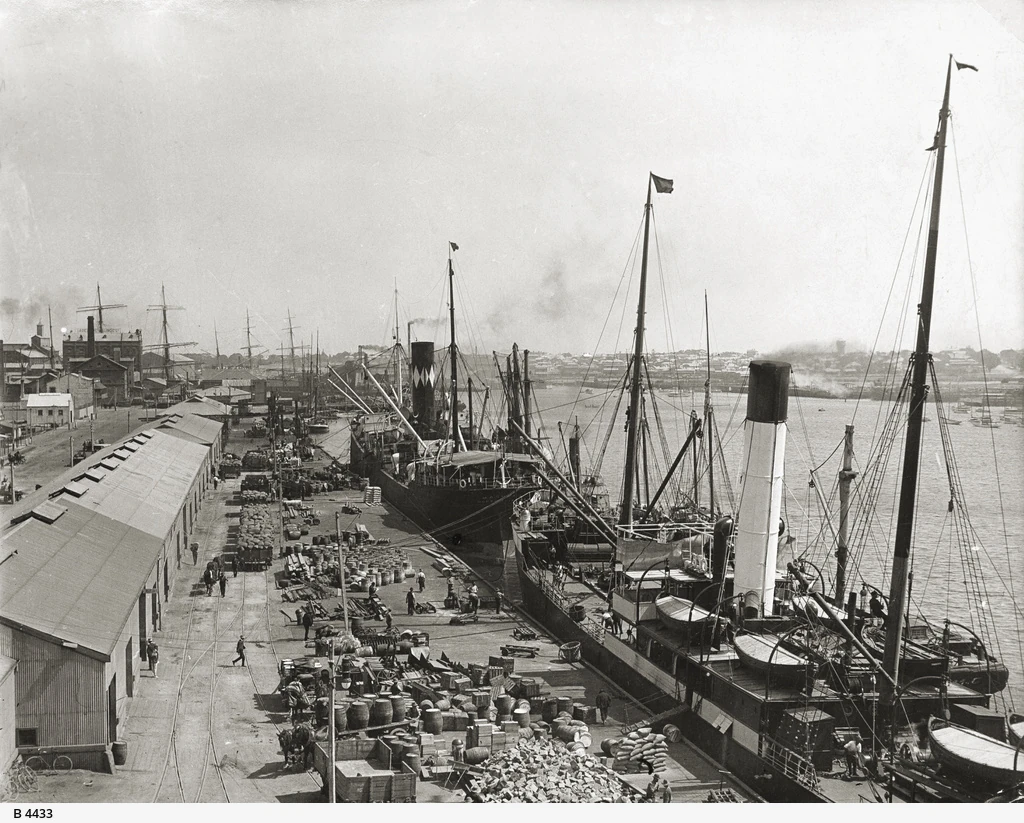
This older system made every handoff more complicated:
- Cargo had to be handled piece by piece.
- Loading and unloading required more labor.
- Freight could be damaged, delayed, lost, or stolen during repeated handling.
- Ships spent more time at the dock instead of moving cargo at sea.
Drayage existed before containers, but the work was closer to local cartage and dock freight handling. The local carrier moved cargo around the port city, but the freight itself was not yet protected inside a standardized box.
Containerization changed the unit of movement. Instead of moving many loose pieces, the local truck could move the container.
The container moment
Modern container shipping is closely tied to Malcolm McLean, a trucking entrepreneur who saw that freight needed to move as a unit across truck, ship, and rail.
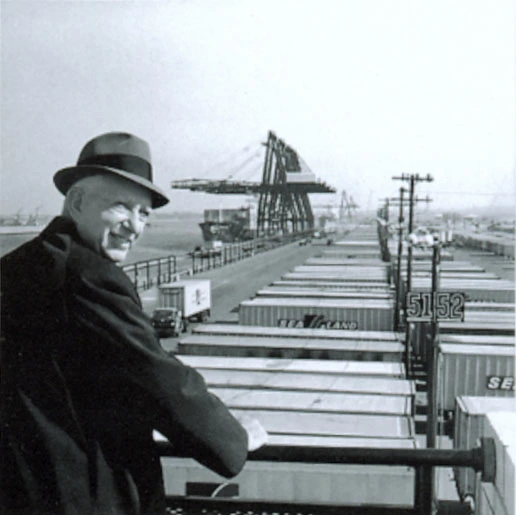
In 1956, the converted tanker Ideal X sailed from Newark, New Jersey, to Houston, Texas, carrying standardized metal containers. The Ideal X voyage became a major step in the shift from loose cargo handling to containerized shipping.
McLean's key insight was practical. Earlier ideas often focused on loading truck trailers onto ships. McLean moved toward lifting the container itself, without the chassis, because carrying the whole trailer wasted ship space. This shift from trailer ships to box ships helped make modern containerization practical.
The efficiency gain was dramatic. McLean's container breakthrough is often described through the old breakbulk loading cost of about $5.86 per ton, compared with about $0.16 per ton when cargo moved in containers. The larger idea was even more important than the exact number: a ship earns money when it is sailing, not when it is waiting at the dock to be loaded piece by piece.
From T2 tanker to Ideal X
The Ideal X was not originally built as a container ship. It began as a World War II T2 tanker, similar to the tanker shown below.
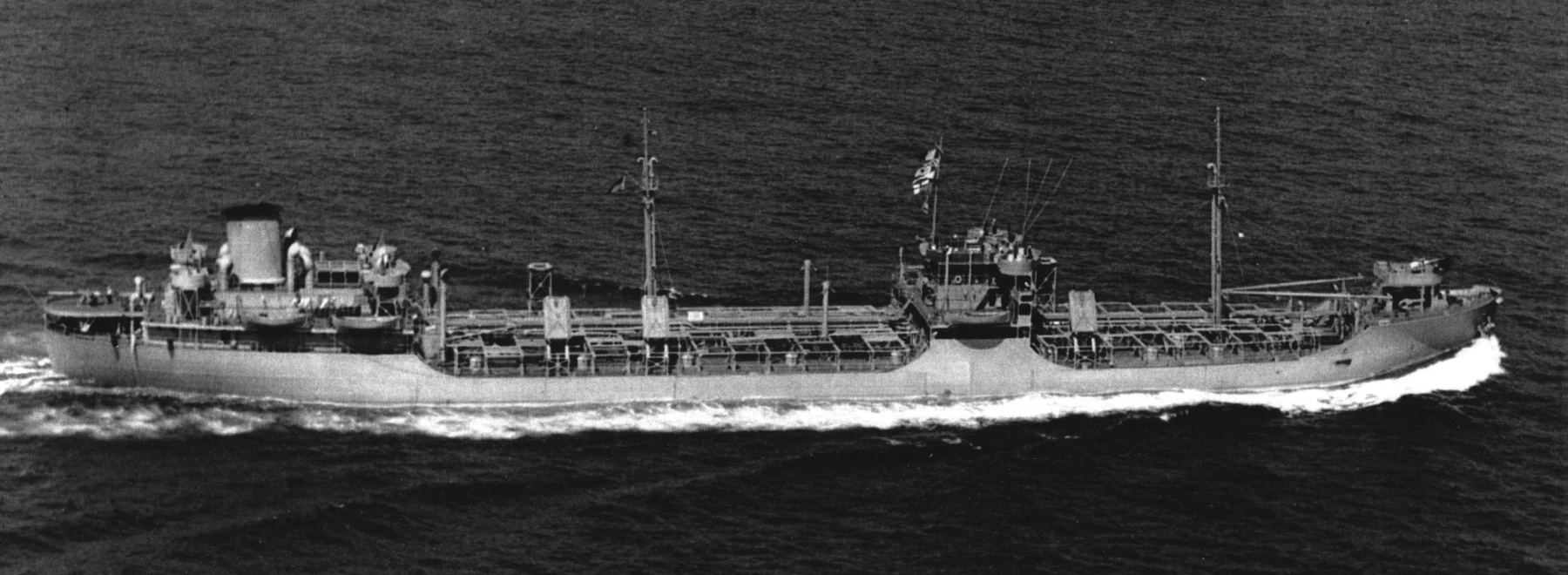
Before becoming the SS Ideal X, the ship was built as Potrero Hills, later purchased by McLean's Pan-Atlantic Steamship Company, modified in 1955 to carry containers, and renamed Ideal X.
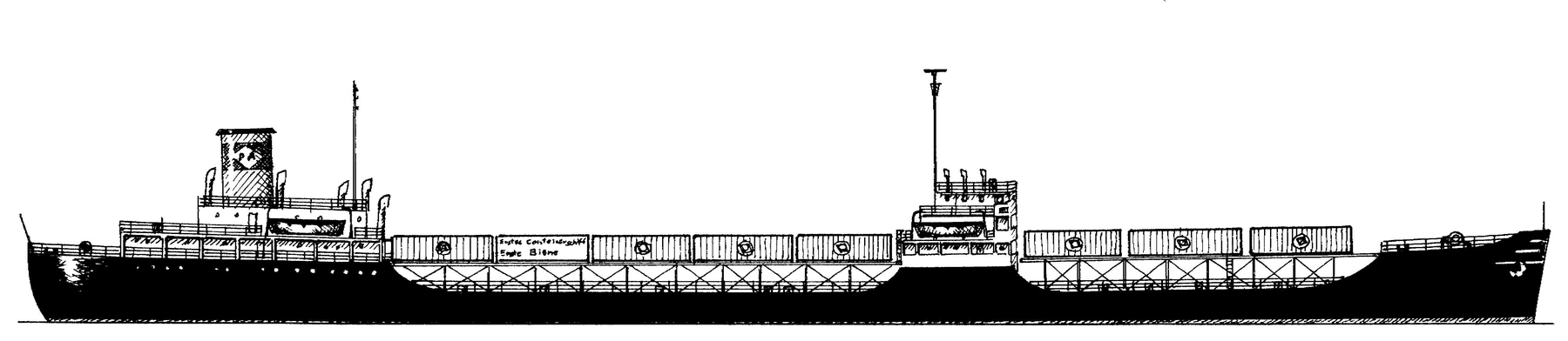
On April 26, 1956, the Ideal X carried 58 containers from Port Newark to Houston. That voyage was not the first time anyone had experimented with containers, but it became the first commercially successful container ship service and a clear symbol of where freight was going.
That changed drayage because cargo could now stay inside the same box across multiple modes:
- A ship could carry the container.
- A crane could lift the container.
- A chassis and truck could move the container locally.
- A railcar could move the container inland.
- A warehouse could receive the container without unloading it at every handoff.
Drayage became the short-haul trucking part of an intermodal container system.
ISO standards made the box global
Containerization only became powerful because containers were standardized. ISO explains that its freight container technical committee, ISO/TC 104, was created in 1961 and helped standardize container dimensions, handling, stacking, fastening, and terminology.
Standardization made it possible for the same container to move through ports, vessels, cranes, trucks, chassis, railcars, and depots across different countries and carriers.
That standard box is why modern drayage exists at scale. A drayage truck does not need to unload the cargo itself. It moves the container.
How drayage became modern
The history of drayage follows the history of freight itself: local horse carts moved goods before trucks, breakbulk cargo crowded the pier before containers, McLean helped turn the container into a commercial system, and modern drayage now moves standardized boxes between terminals and facilities.
Early local freight
The earliest versions of drayage were local freight moves inside port cities, rail towns, and warehouse districts.
Before motor trucks, horse-drawn drays moved goods between docks, canals, rail yards, warehouses, and merchants. As motor trucks replaced horses, drayage became faster, heavier, and more flexible, but it remained local port, rail, and warehouse work.
Container and intermodal era
The container changed drayage from general local cartage into a specialized part of intermodal freight.
Containerization
The shipping container turned loose cargo into standardized units. Drayage became the truck connection between the terminal and the customer facility.
Intermodal growth
Containers began moving across vessel, rail, and truck networks with less cargo handling. Drayage became the first-mile and last-mile link in intermodal freight.
Digital drayage
Modern drayage depends on terminal data, appointments, pickup numbers, empty return locations, chassis availability, route constraints, accessorial rules, and live shipment updates.
Why the history still matters
Containerization solved one major freight problem: ships, railcars, trucks, and warehouses needed a shared unit that could move across modes without being unpacked at every handoff.
Drayage solves the local version of that problem. It makes sure the container actually moves between the terminal and the facility, or between the shipper and the export terminal.
The same efficiency logic still applies. A ship earns money when it is sailing, not when it is waiting at the dock. A truck earns money when it is moving cargo, not when it is waiting, deadheading, or searching for the next load.
That is why volume aggregation matters in local drayage. When more moves can be planned across lanes, terminals, and facilities, capacity can be dispatched more efficiently, deadhead miles can be reduced, and the same assets can move more loaded containers in the same local market.
What to read next
For a practical definition of drayage, common move types, key equipment, and why drayage is operationally complex, read What is drayage.
You can also learn how to request a real drayage price in the instant drayage quote guide.