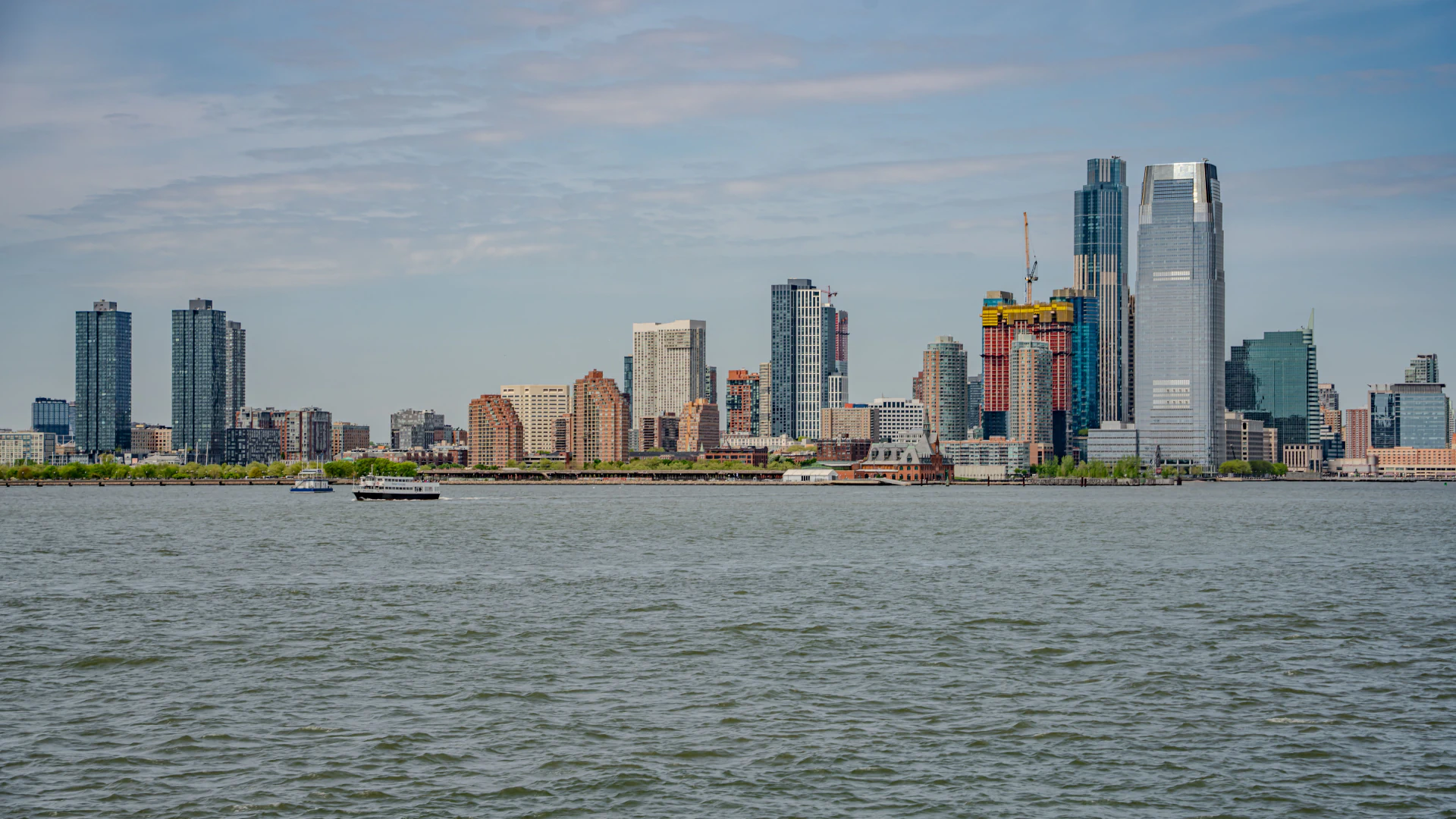

Marine terminals and equipment depots in New Jersey
New Jersey's harbor container terminals occupy three recognizable districts: Newark, Elizabeth, and Port Jersey. APM Terminals, Maher, PNCT, and Port Liberty Bayonne are separate operations, with their own release tools and receiving instructions. The shared Port of New York and New Jersey name should never replace the terminal on the shipment release.
These facilities serve New Jersey and the wider New York metropolitan market, including receivers across the harbor and on Long Island. A New York-bound delivery still starts at the New Jersey terminal named on the release and needs a route to the actual receiver.
The marine and equipment-yard directory
Port and marine locations
| Facility | Address |
|---|---|
| APM Terminals | 5080 McLester Street, Elizabeth, NJ 07201 |
| Maher Terminals | 1210 Corbin Street, Elizabeth, NJ 07201 |
| Port Newark Container Terminal | 231 TYLER ST, NEWARK, NJ 07114 |
| Port Liberty Bayonne | 302 Port Jersey Boulevard, Jersey City, NJ 07305 |
Equipment yards
| Facility | Address |
|---|---|
| C & C Maintenance | 88 Marsh St, Newark, NJ 07114 |
| Container Services of New Jersey | 15 Stockton St, Newark, NJ 07105 |
| Diamond Freight Distribution Co., Inc. | 544 Delancy St, Newark, NJ 07105 |
| IMC Logistics - Newark | 915 Delancy St, Newark, NJ 07105 |
| Interport Maintenance Co | 635 Delancy St, Newark, NJ 07105 |
| Liquid Cargo, Inc. | 21 Hyatt Ave, Newark, NJ 07105 |
| Medlog Drayage a dba of C&K Trucking LLC | 61 Lincoln Hwy, Kearny, NJ 07032 |
| Port Container Yard - PCY (fmrly Ironbound) | 19-5 Hyatt Ave, Newark, NJ 07105 |
A depot return, repair order, storage hold, and cargo-warehouse delivery require different authorizations and handling. Tell the receiving operator which service the shipment needs.
Four marine terminals, four sets of instructions
APM Terminals Port Elizabeth uses the McLester Street reference. Its brings together terminal resources and customer tools. When a carrier serves more than one harbor terminal, carry the APM terminal name and container number into the order; the shipping-line name alone does not identify the origin.
Maher Terminals is the Corbin Street operation. Use for container and gate inquiries and the current handling requirements. A general opening time should not be treated as a promise that an unusual lift, export receiving transaction, or trouble-container issue can be completed at any point during the day.
Port Newark Container Terminal has a particularly useful address distinction. Its publishes 241 Calcutta Street and explicitly identifies Tyler Street as gate access. Give dispatch the operator's access instruction rather than interpreting the two streets as competing terminal locations.
Port Liberty Bayonne is the Port Jersey Boulevard terminal, whose postal city is Jersey City. provides availability, appointments, daily updates, and empty acceptance. Port Liberty New York on Staten Island is another operation; the common brand does not make a Bayonne appointment valid there.
Use the common portal without overlooking local rules
provides the harbor's truck-registration service and Terminal Information Portal System. Its common interface helps coordinate work across terminal operators, but the underlying shipment and terminal instructions remain specific. Check the unit, terminal, transaction type, and date together.
For an import, reconcile availability with line and terminal releases, outstanding holds, applicable payments, and the permitted visit. For an export, check the booking, equipment size and type, receiving window, and cutoff. An export booking does not establish that early receiving is available, and an appointment cannot make an unreleased import collectible.
Keep time and charge questions tied to the party that publishes them. The marine terminal, ocean carrier, equipment provider, and trucker can have different responsibilities. Our explains the vocabulary; the actual shipment records establish the free-time dates and payable items.
If a visit fails, record the reason precisely. A missing release, incorrect terminal, inaccessible unit, unavailable chassis, and missed receiving window require different remedies. That information lets the shipment provider resolve the right issue before booking another attempt.
Delancy Street is a cluster, not a single depot
Several Newark yards are close enough to be confused in a telephone instruction. IMC Logistics is at 915 Delancy Street, Diamond at 544, and Interport at 635. Liquid Cargo and Port Container Yard have separate Hyatt Avenue addresses. C & C Maintenance on Marsh Street and Medlog in Kearny are different destinations again.
identifies its Newark operation under the current brand. identifies the repair business at 15 Stockton Street. Keep these operator references beside the equipment owner's release or return authorization so an older company name or street reference does not send the truck to the wrong gate.
A repair instruction needs the owner, condition issue, estimate or work authorization, and receiving agreement. A storage enquiry needs the container's loaded or empty state, whether it stays mounted, the expected duration, and the handling required. Neither request is fully described by asking whether a yard “takes containers.”
For an empty return, check acceptance for the actual line, unit type, and applicable day. Where the chassis has another destination, include it as a separate stop. Retain the interchange receipt: unloading the cargo does not close the equipment cycle.
Match the inland leg to the booked service
The same New Jersey terminal can release containers for a nearby warehouse, a , or a longer inland move. Obtain the real delivery entrance and unloading plan before fixing the terminal visit. A drop requires later collection; a live unload requires the receiver's dock and labor to be available while the truck remains.
For freight continuing by rail, distinguish a booked on-dock connection from an independently arranged truck transfer. The explains ExpressRail Elizabeth, E-Rail, Croxton, and the CSX references. The presence of port rail infrastructure does not prove that a particular container needs a local truck between terminals.
If cargo transfers into another vehicle, obtain a receiving warehouse and a handling order in addition to the dray. State who strips the container, loads the outbound vehicle, and returns the empty. For a New York City delivery, have the carrier assess the receiving street and truck route independently of the harbor pickup. The metropolitan market remains connected, even though the physical terminal origins are now described separately.