

Standard container types
Container type is one of the first details Portmate needs for an instant drayage quote. It affects truck pricing, chassis selection, payload checks, reefer handling, overweight review, and whether the move can be priced instantly or needs manual confirmation.
This guide explains the standard ocean container types currently supported for Portmate instant quotes, including dry, high cube, reefer, and non-operating reefer equipment.
Use the container code and payload guidance as planning references. When cargo is close to a door opening, internal height, payload ceiling, or legal road limit, always confirm the exact container unit.
Quick answer
The standard container types currently supported for Portmate instant quotes are:
- 20GP: 20-foot general purpose dry container
- 40GP: 40-foot general purpose dry container
- 40HC: 40-foot high cube dry container
- 20RF: 20-foot refrigerated container
- 40RF: 40-foot refrigerated container
- 20NOR: 20-foot non-operating reefer
- 40NOR: 40-foot non-operating reefer
, such as open top, flat rack, tank, platform, 45-foot, 53-foot, shipper-owned custom equipment, or out-of-gauge cargo, can still be possible in logistics, but they usually need manual review instead of instant pricing.
What a container type code means
Container codes are shorthand for the size and equipment style.
20means a nominal 20-foot container.40means a nominal 40-foot container.GPmeans general purpose dry container.HCmeans high cube, usually one foot taller than a standard dry container.RFmeans refrigerated container, also called reefer.NORmeans non-operating reefer, where reefer equipment is used without active temperature control.
Standard ocean containers are part of the wider system, which lets cargo move between vessel, rail, and truck with less cargo handling. For drayage, the code matters because the trucker needs to know the box length, height, weight profile, and whether special handling is required.
Standard container types
Ocean carriers and equipment providers publish detailed container specifications. For example, Hapag-Lloyd explains its , CMA CGM provides guidance for , and Maersk summarizes the available in its fleet.
Exact dimensions, tare, and payload can vary by manufacturer, shipping line, container age, and specific unit. The categories below are the practical standard types most users need for instant drayage quoting.
Dry containers
Dry containers are used for general cargo that does not need temperature control. They are the default equipment type for many import and export drayage moves.
Common dry types:
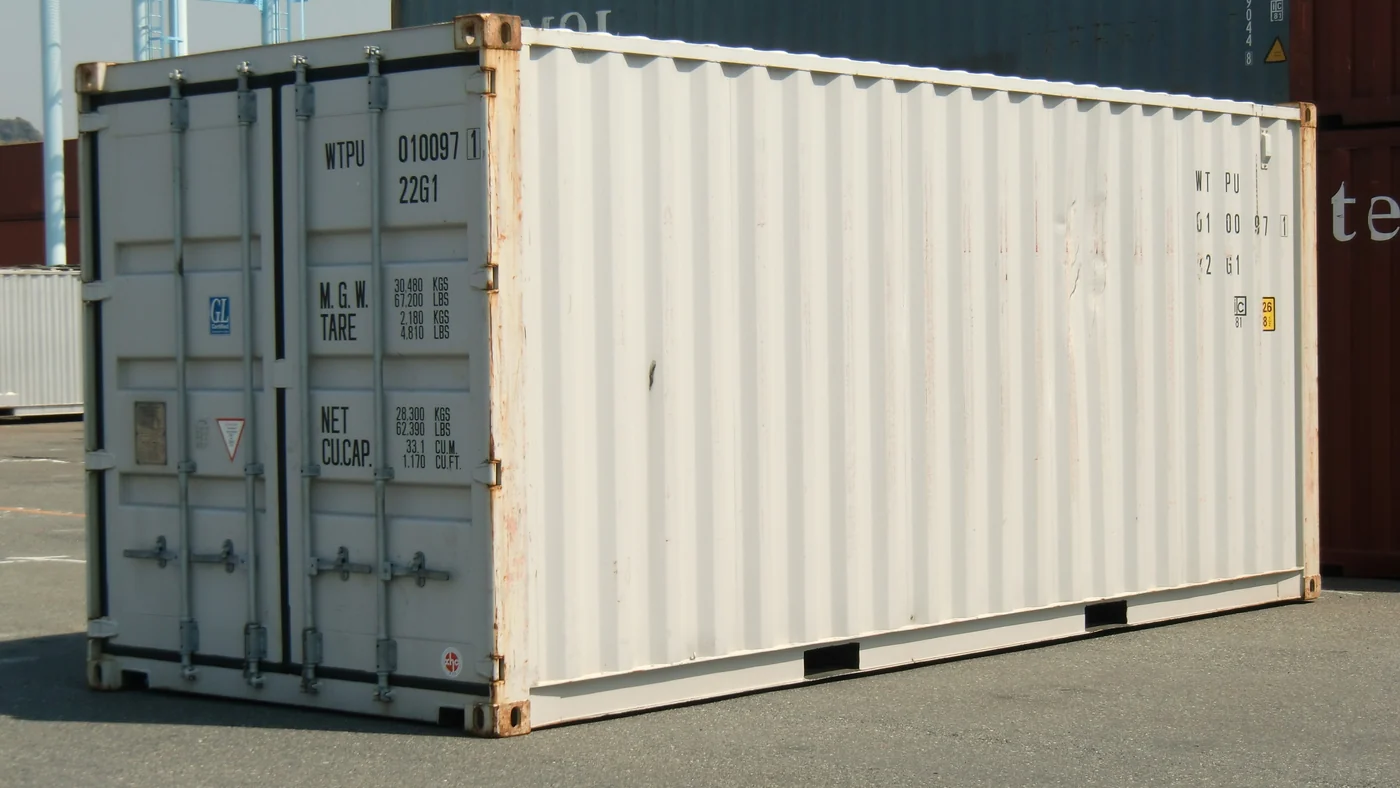
20GP: Standard 20-foot dry container
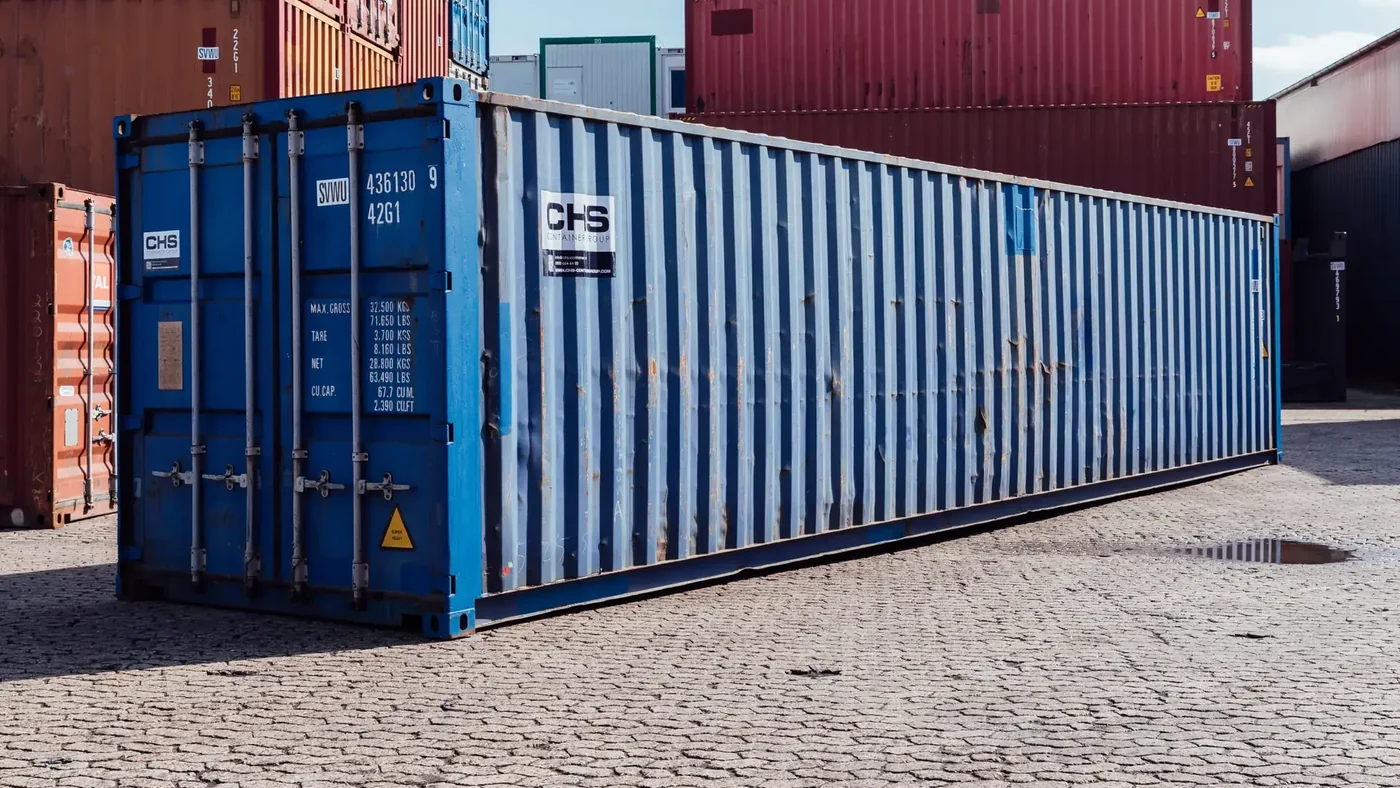
40GP: Standard 40-foot dry container
40HC: 40-foot high cube dry container, covered in the next section.
Use dry equipment for cartons, pallets, machinery, consumer goods, furniture, raw materials, and other general cargo that can safely move without refrigeration or special equipment.
High cube containers
A high cube container is usually the same length and width as a standard 40-foot container, but about one foot taller. In practical quoting, 40HC is common because it gives more cubic capacity for lighter or bulkier cargo.
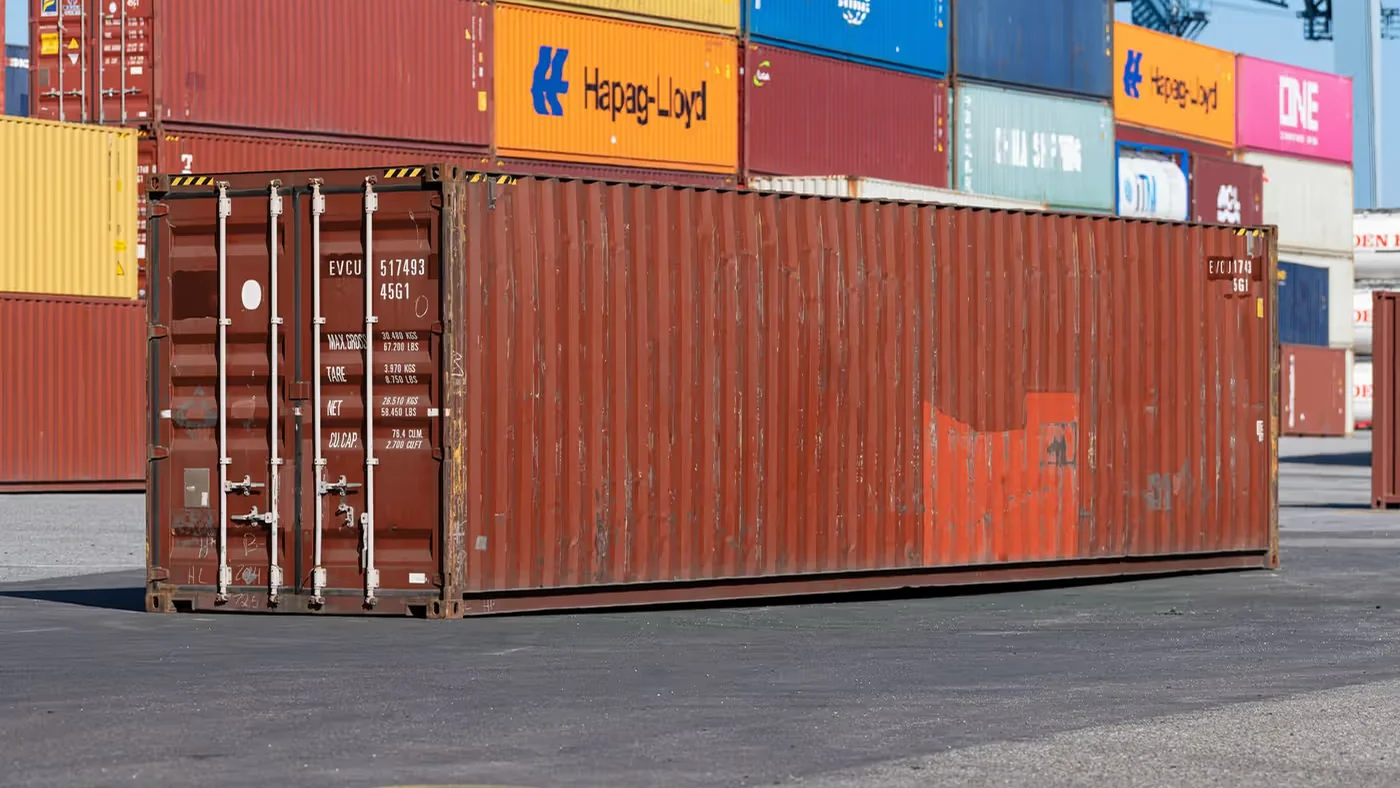
Use a 40HC when cargo needs more vertical space but does not require temperature control. Even when the box has more volume, payload and road weight rules still apply.
Reefer containers
Reefer containers have refrigeration machinery that can control temperature during transport. That equipment adds tare weight and reduces some internal cargo space compared with dry equipment.
Common reefer types:
20RF: 20-foot refrigerated container
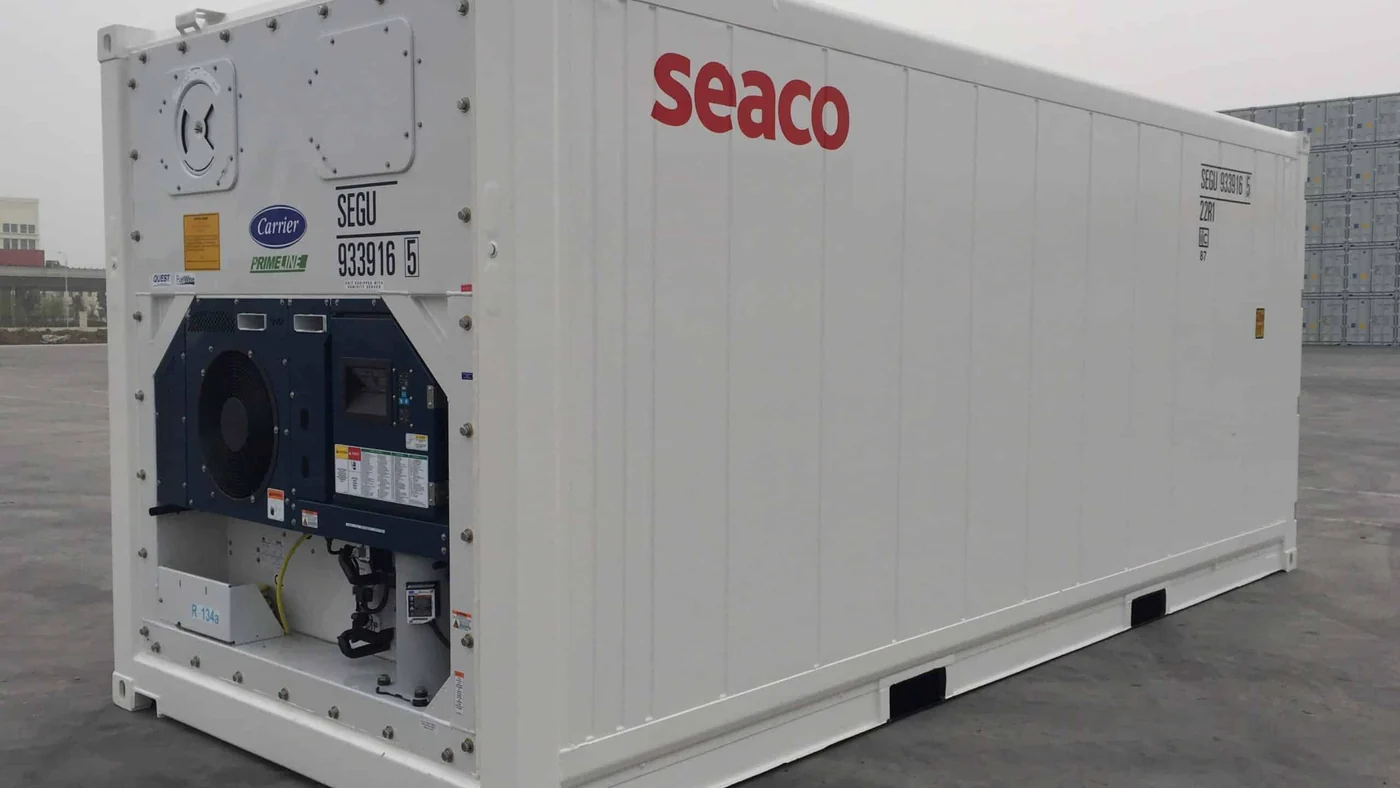
40RF: 40-foot refrigerated container
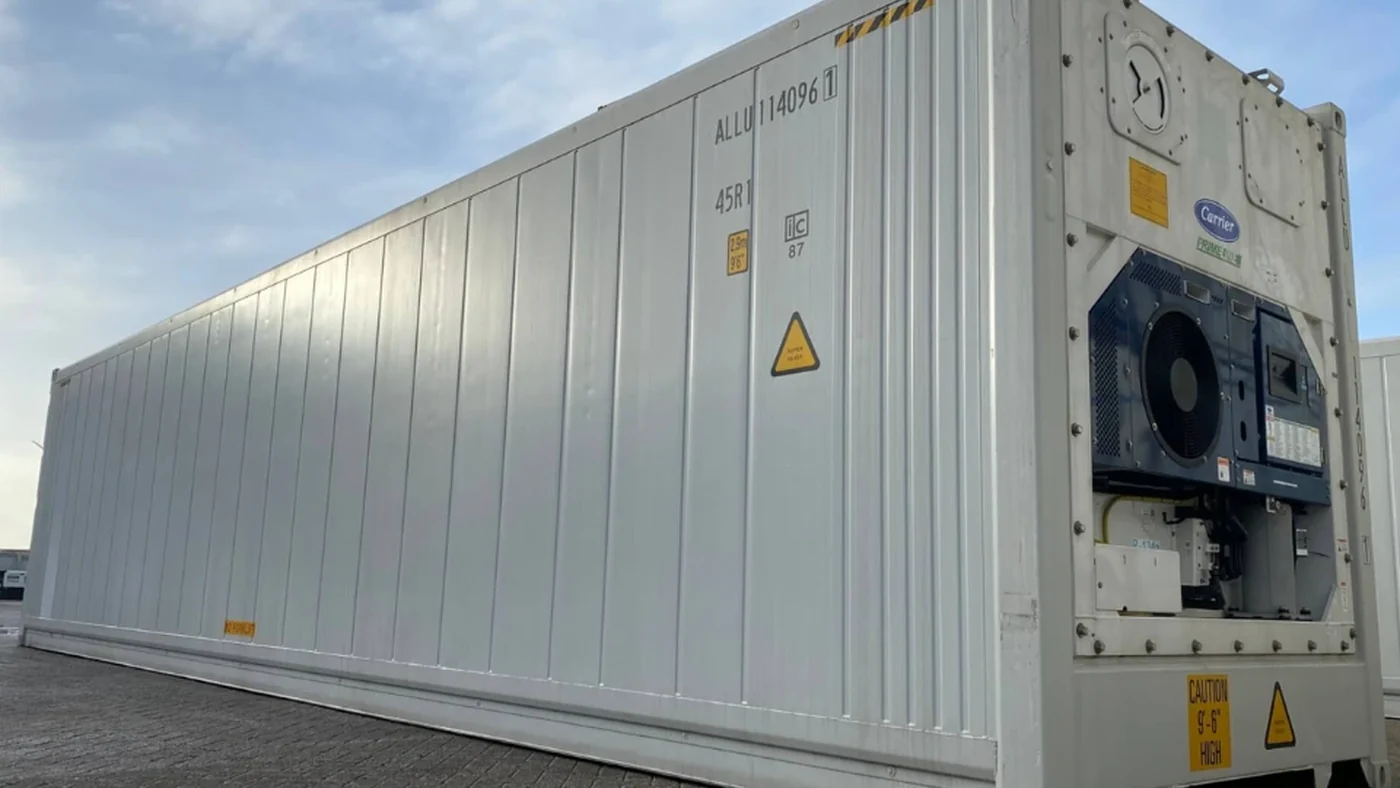
Use reefer equipment for temperature-sensitive cargo, such as food, beverages, pharmaceuticals, chemicals, or other cargo with temperature requirements.
Non-operating reefers
A non-operating reefer, or NOR, is a reefer container used without active refrigeration. The refrigeration machinery is still part of the box, so the tare weight is still higher than dry equipment.
Common NOR types:
20NOR: 20-foot non-operating reefer
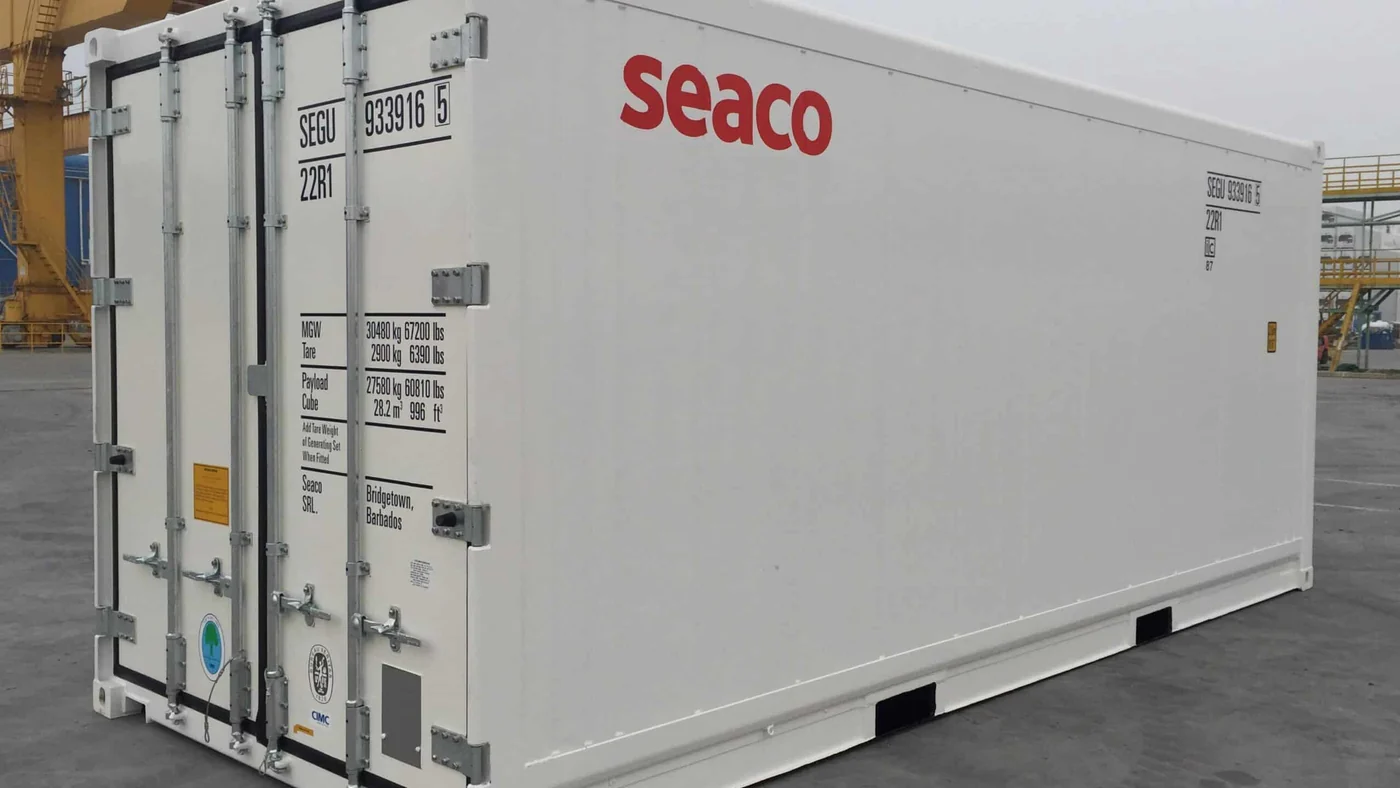
40NOR: 40-foot non-operating reefer
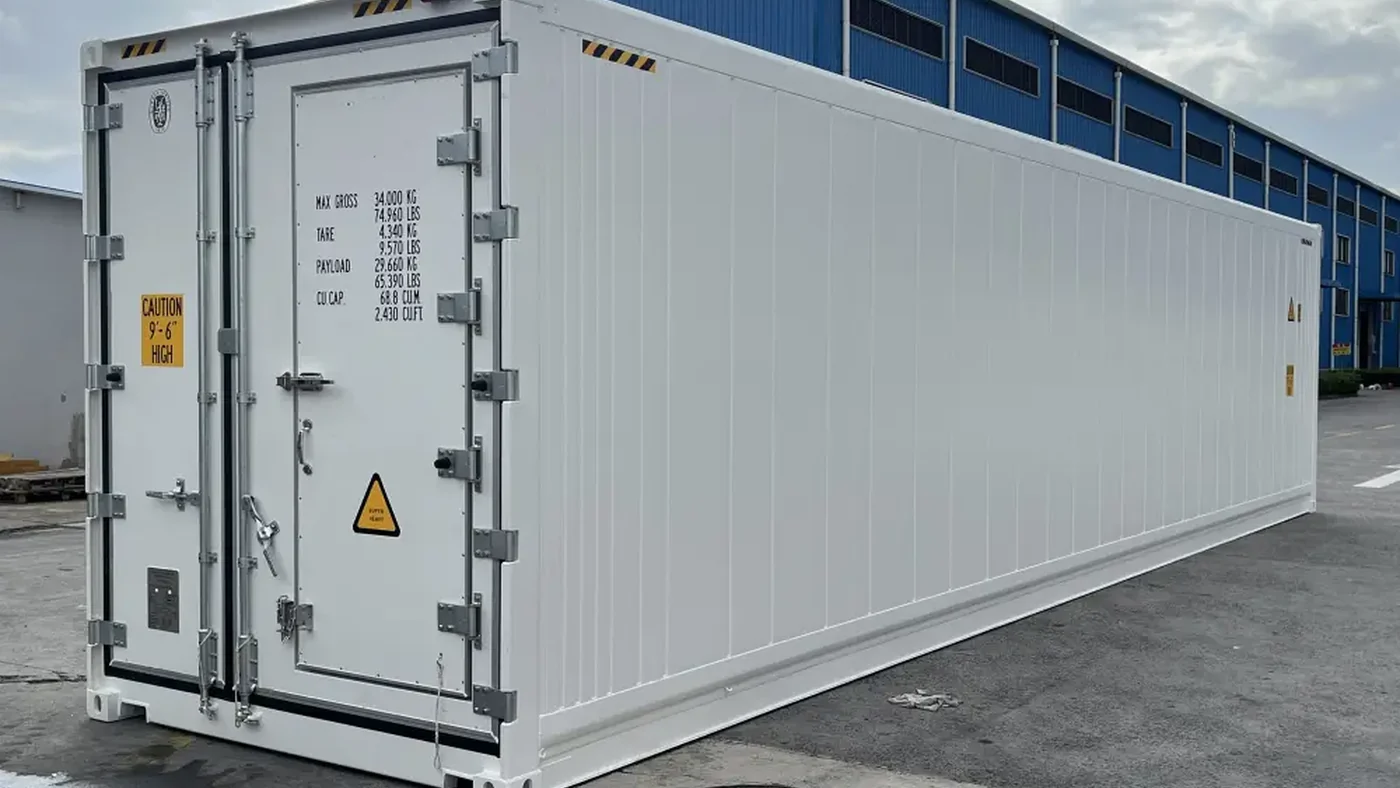
Use NOR when the shipper or carrier uses reefer equipment as a dry box. For weight planning, Portmate still treats NOR as reefer equipment because the refrigeration unit adds tare weight.
Weight details belong in the size reference
Container dimensions, tare, payload, and gross weight are important, but they are easier to use as a separate reference. Use the when you need door openings, inside dimensions, planning tare, payload ceilings, or gross weight definitions.
For this article, the key point is simple: give Portmate the container code and the net cargo weight when asking for an instant quote.
What Portmate supports for instant quotes
Portmate instant quotes currently support the container types that cover the most common import and export drayage workflows.
Supported quote codes:
20GP40GP40HC20RF40RF20NOR40NOR
These supported types allow Portmate to apply consistent assumptions for container tare, payload ceiling, chassis tier, reefer handling, and overweight logic.
For example:
- A
40HCdry move can use dry 40-foot tare and payload assumptions. - A
40RFmove can use reefer tare, payload, and reefer handling logic. - A
40NORmove can price as non-operating reefer equipment while still accounting for reefer tare. - A heavy
20GPcan be evaluated against the 20-foot dry payload ceiling and chassis tiers.
If you are requesting an , include the supported container code directly in the prompt.
Example:
Need a quote from Savannah to ZIP30304for1x40HC, general cargo,18,000 kg.
How container type affects price
Container type affects drayage pricing because it changes the operating requirements.
The quote may change based on:
- Container length and chassis availability
- Dry, reefer, or NOR handling
- Payload and overweight status
- Chassis tier, such as standard, triaxle, or super chassis
- Terminal rules for the selected equipment type
- Empty return location and equipment ownership
- Appointments, genset needs, or reefer monitoring
Container type and chassis type work together. A heavy dry container, reefer container, or NOR container may require a different chassis tier even when the container itself is a common supported type. You can review the to understand how chassis tiers affect overweight support.
Tips for accurate quotes
For the closest instant quote, include:
- Container count and type, such as
1x40HC - Terminal, ramp, port, or metro
- Full facility address when available
- Net cargo weight
- Commodity
- Reefer temperature needs, if applicable
- Whether a reefer is operating or non-operating
- Any known overweight, hazmat, appointment, or special handling needs
If you only know the size, use the closest supported code. If you are not sure whether the equipment is dry, reefer, NOR, open top, flat rack, or something custom, say that in the chat and ask for manual review. For non-standard equipment, use the .
Common questions
Is a 40HC the same as a 40GP?
No. Both are 40-foot dry containers, but a 40HC is taller. A 40HC is often used for bulky cargo because it gives more cubic space.
For Portmate payload planning, 40GP and 40HC currently use the same dry 40-foot payload ceiling, but the container height and actual equipment details can still matter operationally.
Is NOR the same as dry?
No. NOR means non-operating reefer. The cargo may move without active refrigeration, but the container is still physically reefer equipment.
That matters because the reefer unit adds tare weight. Portmate treats 20NOR and 40NOR with reefer tare assumptions.
Is payload the same as VGM?
No. Payload is the net cargo weight. VGM includes the cargo plus the empty container tare.
Use payload or net cargo weight when asking Portmate for a quote or overweight check.
What if my container type is not supported?
Ask for manual review and include as much detail as possible: container type, cargo dimensions, cargo weight, photos if available, terminal, facility address, and any special handling requirements.
What you can do next
If your shipment uses 20GP, 40GP, 40HC, 20RF, 40RF, 20NOR, or 40NOR, you can ask Portmate for an instant quote.
If your shipment uses , ask for manual review instead. That gives Portmate enough context to check the actual container, cargo, route, and carrier requirements before pricing the move.