
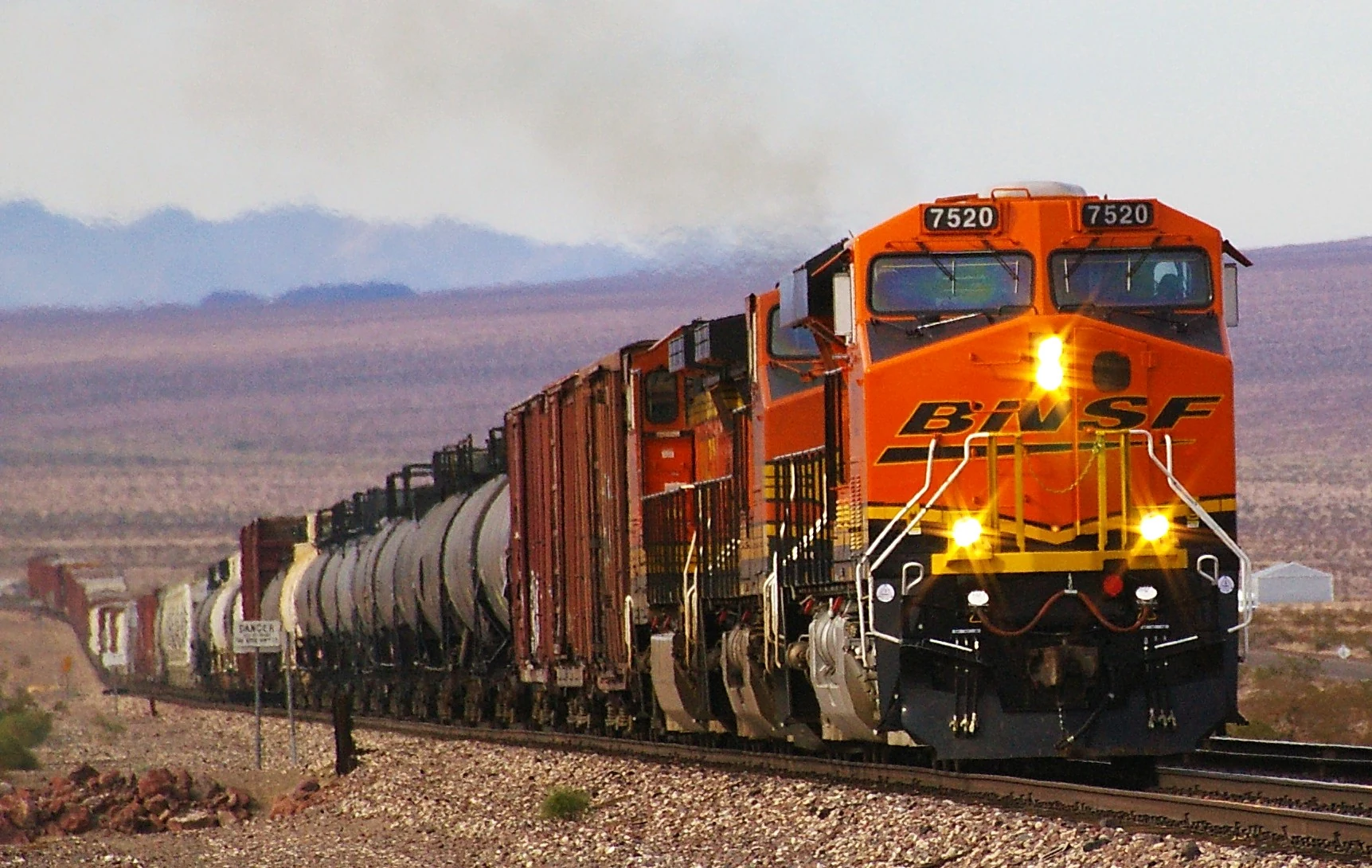
Rail ramps and equipment depots in El Paso
For a BNSF intermodal pickup in El Paso, dispatch to 805 S Santa Fe St, El Paso, TX 79901. Check whether the box is grounded before assigning the truck. BNSF publishes a shorter window for lifts between chassis and ground positions than for general gate activity. A driver can arrive while the gate is open and still miss the service needed to collect the box. Use the El Paso entry in BNSF’s facility directory for both windows.
A release that names Union Pacific’s Santa Teresa ramp takes the driver to 9050 Strauss Rd in Santa Teresa, New Mexico. UP moved its El Paso intermodal operations there in 2014. The delivery may still be in El Paso, but the railroad and ramp on the release determine the pickup. See UP’s cutover bulletin for the change and its Santa Teresa terminal page for current operating instructions.
El Paso rail ramp and equipment locations
The rail ramp is downtown. The other locations are farther east and can add a separate leg to a delivery or equipment move. Use the full street address and the receiving party’s instructions for each stop.
| Facility | Address |
|---|---|
| BNSF El Paso Intermodal Facility | 805 S Santa Fe St, El Paso, TX 79901 |
| Transmaritime El Paso | 7400 Stiles Dr, El Paso, TX 79915 |
| Patriot Logistics, Inc. | 1138 Kastrin St, El Paso, TX 79907 |
| Fly Interchange Inc. | 12905 Gateway Blvd W, El Paso, TX 79928 |
| A S Logistics Corp. | 13599 Pellicano Dr, El Paso, TX 79928 |
BNSF El Paso Intermodal Facility. Use the facility name and South Santa Fe Street address on the truck order. The BNSF El Paso listing gives customer support at 888-428-2673 and lists S390 as the facility’s FIRMS code. If a broker needs the code for a filing, confirm it against the shipment instructions. ConGlobal lists its El Paso BNSF operation at the same address as an intermodal location. If both names appear on a work order, verify the gate and transaction with the party that released the unit.
Transmaritime El Paso. Transmaritime identifies the Stiles Drive facility and describes trucking, warehousing and freight handling in its service overview. STG identifies Transmaritime as an agent partner for El Paso. If your paperwork calls for a warehouse pickup, confirm whether the facility is releasing cargo, a trailer or an intact ocean container. Get the pickup reference, door or yard instructions, and any appointment. Confirm the truck entrance and ZIP with the operator since its locations directory gives a different ZIP for Stiles Drive than its main listing.
Patriot Logistics, Fly Interchange and A S Logistics. The Patriot Logistics directory profile lists Kastrin Street, and the Fly Interchange profile lists Gateway Boulevard West. FMCSA’s A S Logistics snapshot confirms the Pellicano Drive address. These are useful references when the carrier or equipment owner names a site. For any of the three, get confirmation of the specific service, equipment acceptance and truck entrance before routing a driver there.
Plan a BNSF pickup around the work at the gate
BNSF’s published El Paso hours are local Mountain Time. Check the El Paso facility entry and the shipment’s current instructions for changes, particularly around holidays or service disruptions.
| Service | Monday to Friday | Saturday |
|---|---|---|
| General gate | 8 a.m. to 8 p.m. | 8 a.m. to 2 p.m. |
| Flips | 8 a.m. to 4 p.m. | 8 a.m. to 1 p.m. |
BNSF lists both services as closed Sunday. A grounded container is sitting off chassis and needs a lift to leave by truck. A wheeled unit is already on wheels, but the chassis still needs to be authorized and usable for the road move. If the order requires moving a container from one chassis to another, confirm the lift arrangement and who pays for it. For heavy or unusually sized units, use the container chassis guide to identify the equipment to discuss with the carrier.
Before setting a firm delivery appointment, establish four things.
- The box is ready for the truck. Look up the container in BNSF’s Display Intermodal Lot Location tool or get the current unit status from the party with account access. Ask that party to resolve outstanding holds and supply the required pickup reference. Record the rail ETA, availability notification and authority to collect separately.
- The driver can complete the intended transaction. Confirm gate access, whether a lift is needed, and the chassis size and source. BNSF’s driver and dispatcher page explains how to use RailPASS for pre-gate transactions where supported. Follow the posted El Paso instructions and BNSF’s intermodal yard rules. If someone has requested a flip in the lot-location tool, check its status before sending the driver. The tool distinguishes a request from a completed lift.
- The storage deadline is clear. The El Paso facility listing shows the notification day plus 24 hours, while an older BNSF storage table groups El Paso with 48-hour facilities. Use the unit’s last free day in BNSF’s lot-location tool and the terms that apply to that shipment. If the displayed deadline conflicts with the booking, resolve it with BNSF before planning a later pickup.
- The receiver can take the load. Confirm the correct entrance, appointment, live unload or drop, and who will report that a dropped container is empty. If the receiver is closed and pickup needs to happen earlier, price a pre-pull to an approved holding yard and confirm who will pay for chassis time and storage there.
For outbound loads, work backward from the railroad’s shipment cutoff. Check the booked origin, service lane, billing and equipment authorization, and the latest time the loaded unit must be accepted for the intended departure. A gate may still be taking trucks after the cutoff for a particular train. For an export or cross-border movement, confirm the paperwork status before the driver leaves the loading site.
When supplying a chassis, confirm its provider, size, pickup point and authorization before committing the truck. BNSF’s neutral chassis pool directory lists the Gulf Consolidated Chassis Pool and CCM for El Paso. A pool listing identifies a provider to check. Ask where the actual chassis can be collected and returned, and allow for a chassis split if the driver needs a separate pickup. If the order involves a reefer, tank or unusually heavy box, confirm the permitted equipment, handling and service before using the standard dry-container dispatch plan.
Match the El Paso delivery to the border plan
For a domestic El Paso receiver, start with the downtown pickup and the receiver’s actual truck entrance. A warehouse on the east side, a depot on a frontage road, and a door near the border can have very different approaches. Check DriveTexas for current closures and traffic on the route, then confirm local truck access, turns, clearances and the right entrance with the carrier and receiver. Give the driver the street address as well as the map pin.
For freight going to or from Mexico, specify how the shipment crosses the border before pricing a local move.
| Movement | What to confirm |
|---|---|
| Through rail | Railroad booking, named gateway, connecting railroad, border documentation and the actual point of pickup or delivery. |
| Rail pickup followed by truck crossing | U.S. rail release, crossing approved for the load, customs and carrier handoff, and permission to take the equipment across. |
| U.S. transload followed by a separate truck move | Warehouse appointment, cargo and handling requirements, outbound equipment and the return instructions for the inbound container and chassis. |
BNSF’s Mexico gateway directory identifies El Paso as a rail gateway, and its gateway detail identifies Ferromex at El Paso. Confirm the booked lane with BNSF before arranging a local truck. A railroad can serve several border gateways, and the booking determines where the container changes railroads and where it becomes available to the trucker.
For a truck move, Ysleta–Zaragoza has commercial facilities and its own city toll schedule. Bridge of the Americas is a separate crossing. Check cargo access against the GSA modernization project and the carrier’s current instructions before routing there. Marcelino Serna at Tornillo is farther east, and Santa Teresa–San Jerónimo is to the west. Use TxDOT’s regional port overview and New Mexico’s Santa Teresa crossing guide to identify the locations.
Select the commercial lane in CBP Border Wait Times for U.S.-bound conditions. For a Mexico-bound move, get the southbound processing window and queue information from the border carrier and broker. Before switching crossings to avoid a queue, ask the broker and carrier to confirm that the filings, commodity and equipment can move through the alternate port. Changing a crossing can also change the driver handoff, toll and appointment plan.
Put the agreed transfer yard or crossing on the order, with the party responsible for customs, the carrier on each side, and instructions for the seal and equipment. If the box or chassis cannot travel on the proposed route, arrange an authorized transfer or transload before booking the truck. The direct drayage and transloading guide explains what changes when the cargo moves out of the original container.
Make the return a scheduled stop
The driver who delivers the load may have two different destinations afterward. The container owner or ocean line controls the empty-box return. The chassis provider or pool controls where to stop chassis usage. Ask for both instructions in writing, including the accepted size and type, required references, and whether the site takes the empty mounted or wants the chassis dropped separately. For example, ONE publishes dry-container instructions for the El Paso and Santa Teresa market. Use the instructions that apply to the actual owner, equipment and date of return.
If a release names an El Paso depot, check its receiving window and any need for an appointment, authorization or lift. If an owner directs the empty or chassis to New Mexico, add the second leg and check that site’s hours before promising a same-day return. Ask the driver to retain the equipment interchange receipts and note any rejection or damage at the time. An unloading receipt documents the cargo delivery. The interchange record shows when and where the equipment changed hands.
Price the move as a sequence. A chassis split, flip, pre-pull, receiver wait, storage, extra stop and border transfer can involve different providers or billing rules. The guide to container charges and their billing clocks helps identify what to ask for on the quote. For heavier loads, confirm gross and axle weights, chassis configuration and the exact route with the carrier before dispatch. Use TxDMV’s permit guidance for the Texas road leg and check separately with the relevant authority when the route enters another jurisdiction.
Worked example for a Friday pickup
Suppose an import container is released at BNSF on Friday, the unit is grounded, and the east El Paso receiver can unload it at 5 p.m. A driver arrival at the ramp at 4:30 p.m. misses the published weekday flip window even though the gate is scheduled to remain open. Saturday morning may offer a rail pickup window, but the receiver and return location must also be available, and rail storage may already be running.
First check the unit’s last free day and arrange an earlier Friday truck and authorized chassis if possible. Leave time for the queue and lift before the flip window ends, plus time to outgate and drive to the receiver. If the timing is too tight, ask for a priced pre-pull or a revised pickup and delivery plan. If the driver arrives and the release or flip still shows as pending, send the releasing party the container number, gate and status before arranging a second trip. Close the order with the assigned empty and chassis destinations so the driver can plan the return before leaving the receiver.
Before the truck leaves, use the Portmate map above to check the approaches to South Santa Fe Street and the receiver-side route. The Portmate traffic-map walkthrough shows how to inspect the roads near a terminal. Use BNSF’s release and the equipment owner’s return instructions to confirm what the driver can do on arrival.