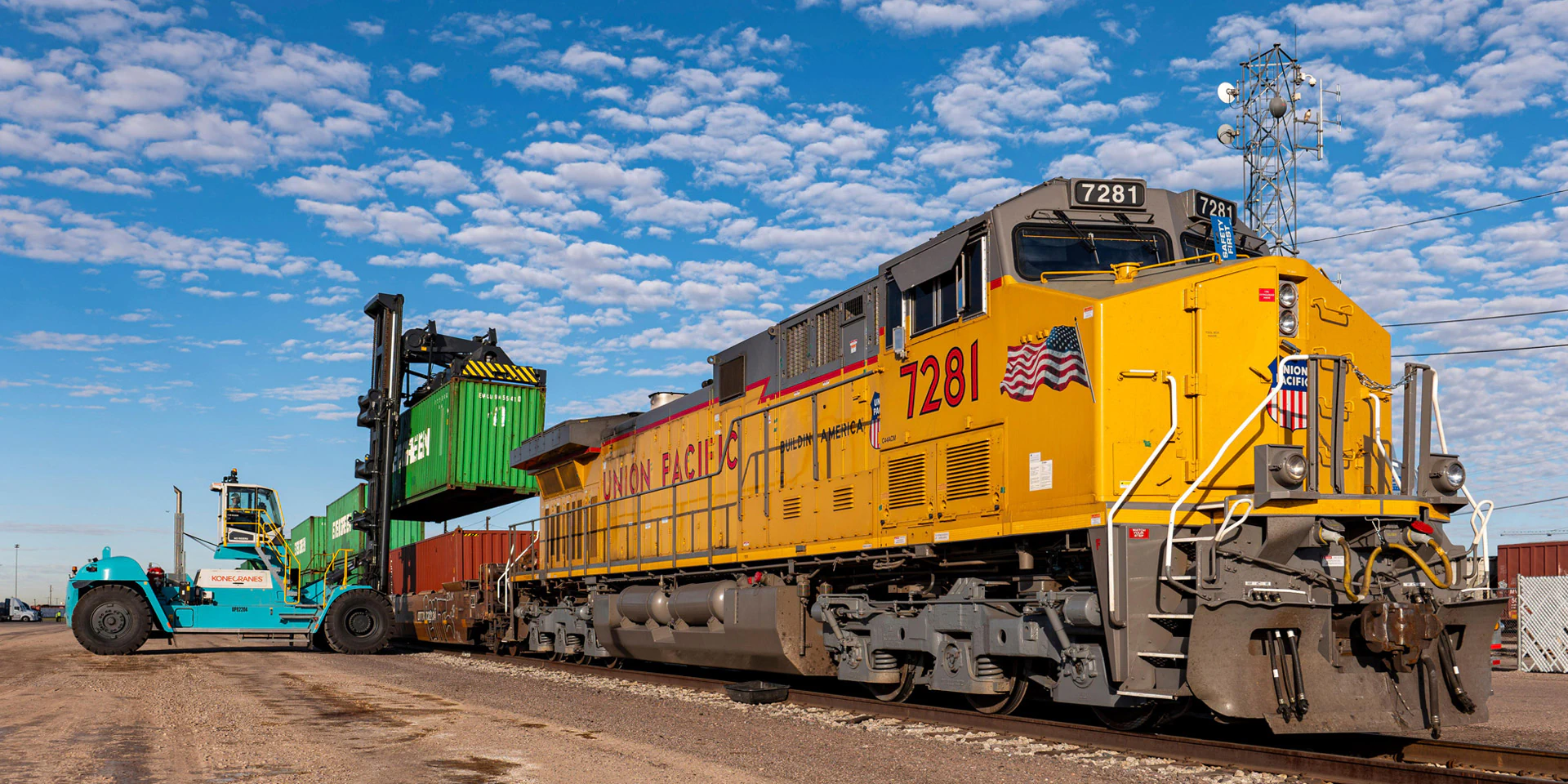

Rail ramps and equipment depots in Phoenix
“Phoenix rail” can describe different truck pickups. BNSF’s Phoenix intermodal facility is in Glendale. Union Pacific lists a downtown Phoenix terminal, but its published import arrangement directs containers to Duncan & Son’s yard in Laveen for collection. Getting that distinction right comes before selecting a route or scheduling the receiver.
Phoenix-area freight uses BNSF Glendale and equipment yards in Phoenix and Laveen. Tucson’s Century Park Drive facilities are separate Southern Arizona handoffs.
Match the railroad name to the pickup
Rail ramps
| Facility | Address |
|---|---|
| BNSF Phoenix Intermodal Facility | 5281 N Tom Murray Rd, Glendale, AZ 85301 |
Equipment depots and yards
| Facility | Address |
|---|---|
| Duncan & Son Lines - Laveen Depot (UP Phoenix pickup) | 7211 W Southern Ave, Laveen, AZ 85339 |
| Lincoln Transport Phoenix, Inc. | 2526 S 16th Ave, Phoenix, AZ 85007 |
| NGL Transportation - Phoenix Depot | 6602 W Grant St, Phoenix, AZ 85043 |
BNSF Phoenix in Glendale. The gives 5281 North Tom Murray Road, Glendale, for the Phoenix Intermodal Facility. Match the railroad, street number, Glendale location, and release together when preparing the visit.
UP Phoenix and the Laveen handoff. lists the railroad terminal at 631 South 7th Street. Its FAQ says Duncan & Son drays imports to 7211 West Southern Avenue in Laveen for pickup. For an import pickup under that arrangement, follow the Laveen handoff instruction rather than assuming the truck collects the unit at the downtown rail terminal.
Ask for the physical collection point on the shipment’s current release. A rail-arrival notice, a downtown railroad address, and a depot pickup instruction can all relate to the same shipment without being interchangeable truck destinations.
Use the equipment yards for the agreed transaction
confirms the Laveen depot address and describes storage, container flips, inventory services, and chassis repair among its yard offerings. Those capabilities are relevant when a move needs handling beyond an ordinary loaded pickup. Specify the requested service and obtain acceptance for the particular equipment.
UP’s Phoenix FAQ also identifies Duncan & Son as the chassis provider for the published product. Confirm that arrangement for the booking before sourcing equipment elsewhere. A generic assumption about bringing a pool chassis can be unhelpful when a service has a defined equipment arrangement.
NGL Transportation publishes 6602 West Grant Street as its Arizona headquarters on its , alongside drayage and warehouse-related services. Confirm the receiving location and work order if cargo handling is involved; a company’s service portfolio is not a release for a specific box.
Lincoln Transport Phoenix is recorded at 2526 South 16th Avenue. Use the release contact to verify its current entrance and equipment acceptance. It is a different location from both West Grant Street and the Laveen yard. Do not redirect an empty among these sites simply because all appear in the Phoenix directory.
Schedule the receiver and the equipment together
Once the handoff point is known, give the carrier the actual receiver address and unloading arrangement. A Glendale pickup for one customer and a Laveen pickup for another can produce different local itineraries even when the rail paperwork says Phoenix in both cases.
For a live unload, make the appointment compatible with the pickup and later return. For a drop, agree on when the receiver will report the unit empty and how the carrier will collect it. State whether the chassis stays with the container during that period. The truck plan needs to cover the equipment after unloading, not stop at the proof of delivery.
Obtain the designated empty return from the owner or its authorized representative. If that destination differs from the loaded pickup, put both addresses into the order. Where a depot visit needs a lift, check the handling window as well as gate access. An open yard is useful only if it can perform the intended transaction at that time.
Assess rail and direct-road alternatives fairly
Phoenix freight can reach the region through different commercial products. UP’s terminal page describes its international-container connections and the Laveen collection arrangement. A proposal to use that service should identify the ocean or rail booking, equipment release, local truck leg, and final return.
For comparison with a direct truck move from Southern California, follow the same shipment from the same origin to the same receiving appointment. Include any transfer to an inland yard, chassis arrangement, intermediate handling, and equipment repositioning. A comparison between only a rail linehaul and a complete road delivery leaves out material parts of the job.
For exports, confirm empty supply and the loaded receiving instruction before booking the local truck. UP’s published Phoenix FAQ describes ISO-container service; do not assume that an international-container product accepts a domestic 53-foot unit. Ask the service provider to match the equipment to the actual booking.
The explains how these local truck legs fit around a rail or ocean movement.
Keep new rail development separate from today’s release
describes a new intermodal development under construction in northwest Maricopa County. It is a different project from the Tom Murray facility in Glendale. A construction announcement should not be treated as a new collection address for a released container.
For future freight planning, ask the railroad how the proposed service and terminal assignment will apply to the lane. For an immediate pickup, use the current facility named on the release and check current operator notices. That distinction lets the guide acknowledge expanding capacity without confusing development plans with an operating truck gate.