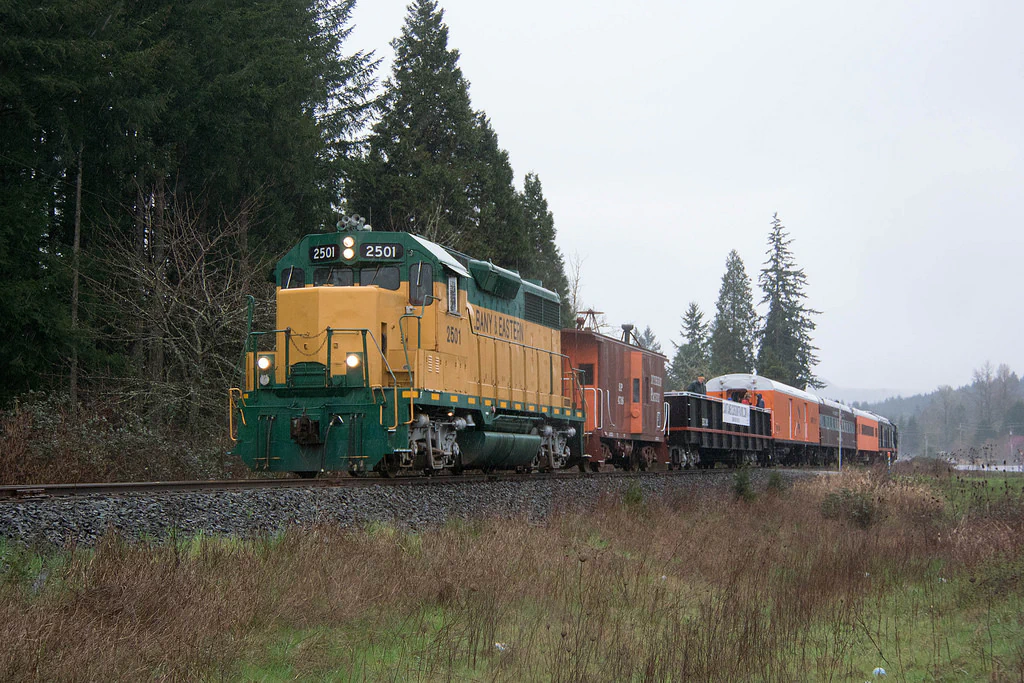

Rail ramps in Albany, Oregon
The Mid-Willamette Valley Intermodal Center sits on Old Salem Road in Millersburg, north of Albany. It was built to connect the valley’s freight with rail and highway transportation. Its presence on a facility map should not be read as a timetable: the site’s commercial uses have been evolving, and a shipper needs confirmation of the specific service before arranging a container visit.
This guide separates the physical facility from its original container proposal and subsequent transload development. That distinction is especially useful for exporters comparing an inland rail option with a truck move to a Northwest port.
Locate the Millersburg site
Rail ramps
| Facility | Address |
|---|---|
| Mid-Willamette Valley Intermodal Center | 3251 Old Salem Rd NE, Albany, OR 97321 |
The facility’s Albany postal address is 3251 Old Salem Road Northeast. The identifies the intermodal property at 3251 NE Old Salem Road. Albany and Millersburg therefore appear in descriptions of the same facility; they do not indicate two separate ramps.
Give the facility name and street address to the party arranging the truck visit, then obtain its current entrance instructions. The site is separate from Portland’s waterfront terminals and rail yards. An instruction naming Portland Terminal 6, UP Brooklyn, or BNSF Lake Yard should be matched to that location rather than redirected inland.
Understand what has changed
described the center’s opening and its intended role in transferring containers between trucks and rail. It is useful background on the project, but it does not establish a present train departure, ocean-carrier agreement, or container-release procedure.
More recent public information describes a wider commercial direction. says the new operator is developing potential business lines involving renewable energy, agriculture, intermodal containers, and waste management. It also describes the completed rail and supporting infrastructure.
The covers a proposal to transfer renewable diesel from railcars directly to trucks. The city explains that the additional permitted product does not remove the facility’s previously approved uses. Permission for a use, however, is different from a bookable service or a completed shipment.
For planning purposes, do not describe every rail movement here as container intermodal. A railcar carrying bulk material for transfer to trucks is a different operation from a sealed ocean container moving on a train. Ask which business line the proposed shipment belongs to and who will contract for it.
Test the inland option before changing the route
For a Willamette Valley exporter, an inland handoff is attractive only if the remaining connection works. Begin with the actual origin, cargo, equipment type, and intended port or inland destination. Ask the service provider to identify the railroad arrangement, handling point, commercial booking, and expected connection.
An intact-container proposal should answer several linked questions. Where does the empty come from? Who authorizes its release? Where is it loaded? Who handles it onto rail, and where is it collected or delivered after the train leg? A port booking still needs a workable terminal delivery plan; the presence of rail infrastructure does not establish that connection by itself.
Compare that proposal with a complete truck alternative using the same shipment dates and destination. Include handling, any intermediate storage, and the equipment-return arrangement. Avoid comparing only the inland rail segment with the full highway move. The more useful comparison follows the freight from loading to the receiving handoff in each case.
The helps identify the separate Portland locations if the alternative uses a Portland rail yard or marine terminal.
Describe the cargo handling accurately
Container handling and transloading solve different problems. If the cargo remains inside its sealed container, the plan concerns the unit, its chassis, and the rail or road connection. If cargo is transferred out of a railcar or container, the receiving operator needs a handling specification as well.
For packaged freight, supply piece count, dimensions, weight, and the intended outbound vehicle. For bulk material, identify the commodity and ask the operator what product-specific equipment and arrangements are available. Do not infer that equipment used for one permitted commodity can handle another.
Where unloading and onward loading happen at different times, establish the intervening storage arrangement. Identify who has custody, what records accompany the freight, and how the outbound carrier obtains release. The explains the difference between transferring cargo and transferring an intact container between modes.
Confirm a real service before dispatch
Before sending a truck to Old Salem Road, obtain a current acceptance from the provider handling the shipment. It should identify the physical gate, transaction reference, handling appointment, and contact for an exception. For a container collection, confirm that the unit is available and that a lift and suitable chassis have been arranged.
For repeat freight, agree on the communication sequence as well as the initial shipment: who confirms availability, who books trucks, and who reports a missed connection. This is particularly important at a developing facility, where a project description may remain online long after the commercial arrangement has changed.