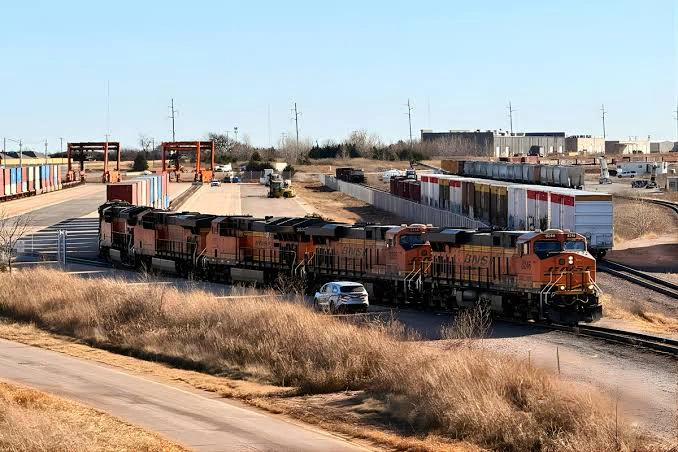

Equipment depots in Shafter
For a Central Valley exporter, the useful question about an empty container is often whether it can be reused locally. Sending a box back to the coast and collecting another one for the next shipment adds an equipment move. Wonderful’s Shafter depot provides a place to arrange storage, inspection, and authorized reuse close to the businesses loading that export cargo.
That opportunity depends on the shipping line and the export booking. A container that has finished an import delivery is not automatically available for someone else’s load. This guide explains the depot’s published location, the services Wonderful describes, and the decisions an importer or exporter needs to settle before booking the truck.
Where to find the Wonderful depot
The current published depot address is 2608 Zachary Avenue, Shafter, CA 93263. Both and identify the Wonderful operation there.
Equipment depots and yards
| Facility | Address |
|---|---|
| Wonderful Logistics Services | 2608 Zachary Ave, Shafter, CA 93263 |
An older directory reference used 3305 Driver Road. The newer operator and lessor listings support the Zachary Avenue address, but they do not establish when an operation moved or whether another Wonderful property remains in use. For a booked collection, the designated pickup location on the release is the instruction to reconcile with dispatch.
Shafter is an inland stop. A later delivery to a Los Angeles or Long Beach terminal belongs in the transport order as another destination, with its own receiving conditions. The helps distinguish those harbor facilities.
How local container reuse works
describes keeping import empties for regional exporters, particularly agricultural businesses. It also lists inspection, cleaning, repair, and storage. The practical benefit is the possibility of connecting an inland empty with an inland export load, rather than treating every import return and export collection as unrelated trips.
Consider a container unloaded at a Central Valley receiver. Before scheduling its next movement, the parties would need to establish whether the owner permits termination at Shafter, whether the depot will accept that unit, and whether it can subsequently be released against an export booking. These are separate approvals. An arrangement between the trucker and the receiver does not replace the equipment owner’s authorization.
For the exporter, the booking needs to match the equipment being collected. Size is only one part of that match: the required condition and cargo suitability also matter. A box available in the yard may still need inspection or preparation before the shipper can load it. Ask who accepts the equipment condition and how a rejected unit will be replaced before the truck reaches the loading site.
Export collection: booking, condition, and loading plan
Wonderful’s published pickup instructions call for a valid booking or release number and a designated pickup location. Use that reference to resolve the collection with the depot, rather than asking a driver to arrive and look for a suitable empty.
A useful export order connects three places: the depot collecting the empty, the business loading the cargo, and the facility receiving the loaded container. Give the carrier all three addresses at the outset. If the loading business has a fixed appointment, the collection must leave enough room for any depot preparation and the drive to the shipper.
For agricultural cargo, make the equipment requirement explicit. Tell the depot what the shipper needs and who will inspect the box. Wonderful advertises cargo and food-grade equipment among its options; that description is a reason to discuss the required grade, not a substitute for the shipper accepting the actual container.
For the loaded return, work backward from the receiving instruction. Confirm the terminal or ramp, booking reference, receiving window, and any required appointment. An empty released in Shafter can still be delayed later if the loaded receiving location or booking is unresolved. These planning steps explain how the pieces fit together; they do not establish a particular carrier’s cutoff or a guaranteed same-day trip.
Import termination and storage are different orders
An import customer may need only to return an empty after unloading. Another customer may want to hold a loaded container, arrange cleaning, or store equipment for a later export. Describe the intended outcome when requesting service so the depot can confirm the appropriate arrangement.
For an empty termination, start with the container number and the line’s return instruction. For storage, add whether the unit is loaded, how long it should stay, whether it remains on a chassis, and who will collect it. If a repair is involved, identify the party approving the work and the document that will release the equipment afterward.
The chassis deserves its own decision. Keeping a container in a yard does not, by itself, terminate the chassis agreement. Establish whether the chassis stays with the unit, leaves with the driver, or goes to another authorized location. The explains the terms used in those instructions.
Make the Shafter stop part of a complete shipment
The best brief for this depot is a description of the equipment cycle, not simply “pick up in Shafter.” For example:
Collect an authorized 40HC from Wonderful’s Zachary Avenue depot for an agricultural export. The shipper will inspect the empty before loading. Include the shipper’s appointment, the confirmed loaded-return terminal, and the chassis arrangement in the plan.If the cargo will be removed from one vehicle and loaded into another, that is a different handling scope from collecting an intact container. Explain the cargo, handling method, and outbound equipment; describes that distinction. Agreeing on it early prevents a depot collection from arriving with an unplanned warehouse job attached.