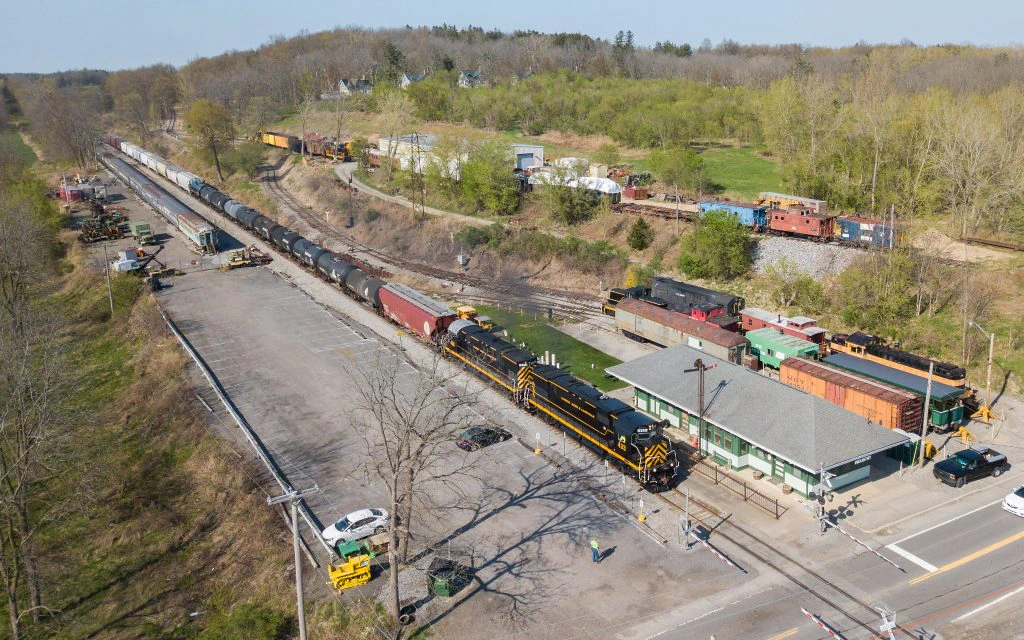

Equipment depots in Rochester
STG Drayage is listed at 333 Metro Park in Rochester. Current container-depot operations at that address remain unconfirmed as of October 24, 2026. A planner should obtain the physical yard location and a shipment-specific acceptance before sending a truck there.
The uncertainty matters because public listings can describe several different things: a company office, a drayage operation, a container yard, or a cargo-handling partner. This guide explains the available evidence and the practical steps needed to establish a usable Rochester equipment handoff.
What the Rochester record identifies
Equipment depots and yards
| Facility | Address |
|---|---|
| STG Drayage - Rochester Depot | 333 Metro Park, Rochester, NY 14623 |
, last updated January 26, 2026, describes STG intermodal drayage and a Maersk container depot. It gives 333 Metro Parkway, Suite North Bay N-210. The listing is evidence of a business reference, but the suite detail does not identify a physical container-yard entrance.
The drayage-terminal list on does not include Rochester. That omission does not prove closure. Equally, the date on a third-party directory entry does not establish that a driver can interchange a container there today. Neither source supplies the current yard acceptance needed for this shipment.
Why a cargo-handling address cannot settle the question
A company’s Rochester service may appear under a container freight station, warehouse partner, or other cargo operation. Such an entry can concern freight being unloaded or consolidated rather than intact ocean equipment being returned to its owner. It should not automatically replace the Metro Park depot reference.
For a container return, the decisive information is the equipment owner’s current instruction and the receiving operator’s acceptance. For cargo collection from a warehouse, the relevant details are the freight release, receiving building, loading arrangement, and outbound vehicle. Those are different transactions even if the same logistics company appears on both sets of paperwork.
When contacting , state which transaction needs confirming. Ask whether the Metro Park reference is an operating equipment yard, an office reference, a relocated service, or a historical listing. Request the physical gate address for the specific container work, rather than accepting a general Rochester business address as the answer.
Obtain a usable confirmation
Give the contact the container number, equipment owner, size and type, and the release or return reference. Explain whether the unit is loaded or empty and whether it will arrive on a chassis. Those details allow the operator to answer a real acceptance question instead of a broad enquiry about services in the region.
The response should identify the receiving yard, entrance, permitted transaction, usable service window, and any appointment or access requirement. For a grounded collection, ask who provides the lift and when it is available. For a mounted return, establish whether the chassis is accepted or must go elsewhere.
If the operator supplies a different address, reconcile it with the party that issued the original instruction. Keep the updated instruction with the order. A map marker should not override a current authorized destination, and a verbal suggestion from an unrelated party should not silently change it.
Until those details are resolved, describe the Rochester stop as pending in the truck plan. That makes the unresolved dependency visible to the shipper, receiver, and carrier before it affects a scheduled collection.
Plan the Buffalo rail leg independently
A Rochester customer may receive a container collected at a Buffalo-area ramp. Name that origin exactly and confirm availability there. The identifies the separate railroad facilities and equipment reference in that market.
Then give the carrier the Rochester delivery address and unloading appointment. If the customer needs a drop, agree on how empty availability will be reported. The return destination should be settled independently: a released loaded box at Buffalo does not establish an authorized empty handoff at Metro Park.
Where the return remains unresolved, ask the arranging party to obtain the owner’s instruction before finalizing the complete itinerary. A changed destination can alter the truck’s route, chassis use, and collection timing. It is better to price and schedule that actual movement than to assume a local depot is available and revise the plan after unloading.
Keep the handoff evidence with the shipment
Once a location is confirmed and the visit occurs, retain the interchange receipt and review its unit numbers, place, date, and condition remarks. Keep a separate chassis receipt where the chassis goes to another provider. These records explain where the equipment was accepted and close the information gap left by a general directory entry.
The can help when discussing interchange, storage, and waiting with the carrier. For Rochester, the first requirement remains concrete: identify the current physical operation and obtain its acceptance. The public evidence presently supports neither an active-depot claim nor a confirmed closure.