
Equipment depots in Moses Lake
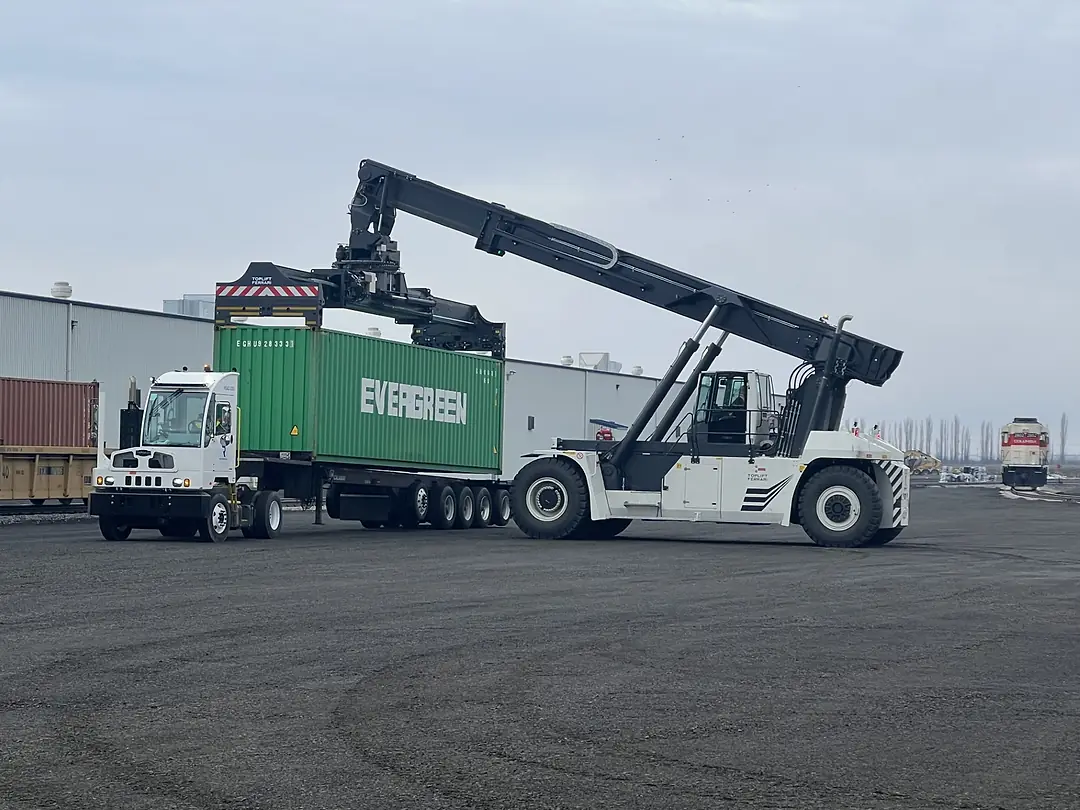
Moses Lake can be more than an intermediate point on a container’s journey across Washington. Zip Truck Lines offers a container yard, warehousing, trucking, and rail-related services at its Road N Northeast location. Those services make it important to describe what should happen to the freight there: parking a sealed container, unloading cargo, and handling a railcar are different assignments.
Seattle and Tacoma have their own harbor facilities and operating instructions; neither city should stand in for the Moses Lake address on a truck order.
Road N is the current operator-published address
gives 1800 Road N Northeast, Moses Lake, WA 98837.
Equipment depots and yards
| Facility | Address |
|---|---|
| Zip Truck Lines, Inc. | 1800 Rd N NE, Moses Lake, WA 98837 |
A conflicting Bell Road address is still visible in the . There is a documented historical explanation: a described Zip’s then-current Bell Road location and its planned expansion onto Road N. Use the operator’s Road N address when reconciling instructions that still refer to Bell Road.
That resolves the general site reference. A collection still needs the entrance and receiving instructions for its booked service, especially if the job involves a warehouse rather than only the equipment yard.
Choose the service before choosing the truck movement
Zip describes container storage, climate-controlled warehousing, and access to a rail spur. These capabilities can support different freight plans, but they should not be combined into an undefined request for “container handling.”
An intact-container visit keeps the cargo inside the box. The order might call for delivery, collection, or an agreed period in the yard. Explain whether the container arrives loaded or empty and whether it should stay on its chassis. If it must be taken off the chassis, the handling and later collection need to be arranged with the operator.
A warehouse visit concerns the cargo as well as the container. State whether unloading, storage, sorting, or loading into another vehicle is required. The receiver needs enough information about the commodity, weight, packaging, and handling method to agree to the work. A container-yard booking alone does not describe that warehouse job.
A rail-related movement needs the actual service arrangement. Zip’s website describes its spur as connected to the BNSF network. That does not make the premises interchangeable with a railroad’s public intermodal ramp. Establish who controls the rail movement, where the physical handoff occurs, and what the truck is collecting. A railcar unloading assignment is not the same service as collecting a container released at a conventional intermodal terminal.
Build the Moses Lake and harbor legs together
When a box also travels through Seattle or Tacoma, name the coastal facility as well as the inland site. The question is not simply which harbor is closer on a map; it is where that shipment is released and where the equipment owner permits it to go afterward.
For an import, the chain may include a marine-terminal pickup, a Moses Lake delivery, unloading, and an authorized empty return. If Zip is expected to store the container before or after unloading, the carrier needs to know which part of the sequence has been agreed. Otherwise, a truck may arrive with a unit that the warehouse or yard is not expecting to receive.
For an export, reverse the problem: identify where the empty is collected, who loads it, and where the loaded unit must be received. A depot release, a shipper’s appointment, and a terminal receiving window are three separate pieces of the plan. Arrange them as a connected movement rather than confirming only the first pickup.
Use the or the to resolve the harbor end. Those pages describe different marine and rail locations; a broad Seattle/Tacoma label does not select a gate.
Settle what happens to the chassis during storage
A storage instruction should say more than how many days the box will remain in Moses Lake. Identify whether the arrangement is wheeled or grounded, who supplies the chassis, and who is responsible for collecting the equipment when storage ends.
If the container will be lifted off, agree on the lift at arrival and the lift needed for the next pickup. If it stays mounted, establish what happens to chassis usage during the storage period. These decisions affect the transport arrangement even when the cargo itself never leaves the container.
Also identify the party who can authorize a change. A receiver asking to keep a unit longer does not necessarily control the shipping line’s return instruction. If the unloading date moves, update the equipment plan with the owner and the operator rather than assuming the original return remains available.
A clear brief for a Moses Lake logistics job
For a sealed-container delivery, provide the pickup release, Road N delivery address, unloading or storage agreement, chassis disposition, and next equipment destination. For a cargo-handling job, add the goods description, packaging, weights, handling needs, and outbound vehicle plan.
One practical way to distinguish the two is to state the expected result: “leave the loaded container in agreed storage” or “unload the cargo and release the empty for its assigned return.” That gives Zip and the trucker a task they can confirm. If the second option includes transferring cargo into another vehicle, the sets out how that service differs from a container dray.