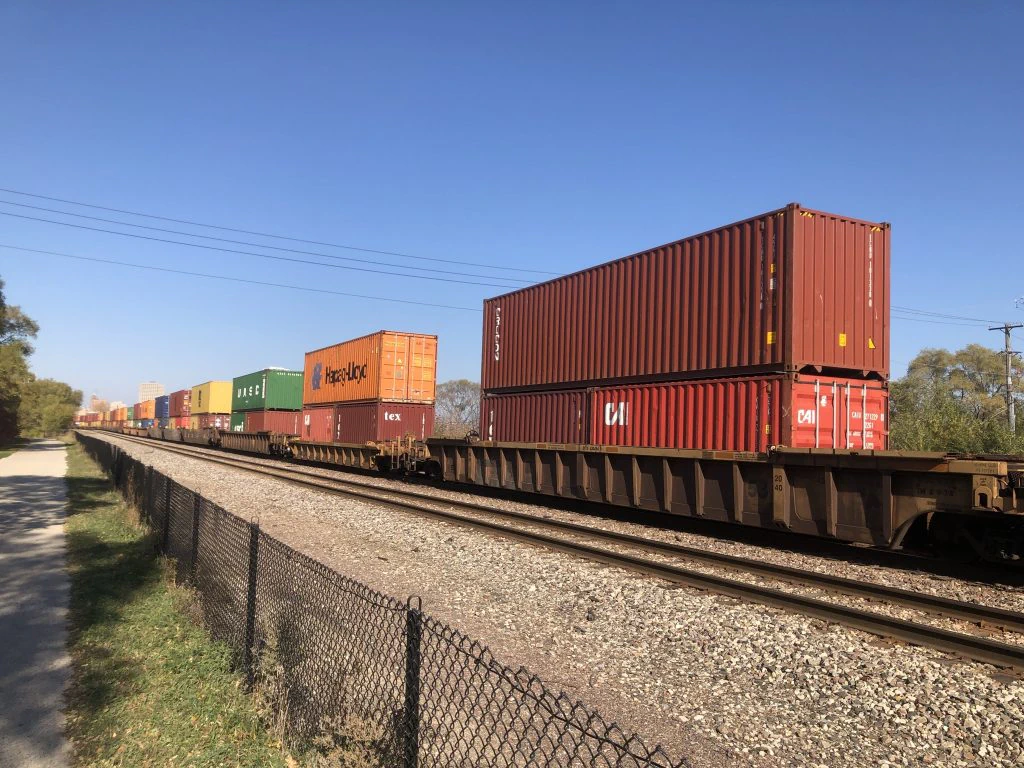

Equipment depots in Milwaukee
A container delivered in southeastern Wisconsin can finish unloading a long way from the Chicago ramp where the truck collected it. That makes the equipment plan as important as the loaded trip. Local equipment options to confirm include Real Transport on West Armour Avenue and Aim Transfer & Storage in Oak Creek. They give planners local points to investigate for equipment and related logistics work; the ocean carrier’s instruction still determines where a particular container may be returned.
This guide explains the differences between the two references, how warehouse work can change the itinerary, and what to settle before adding a Wisconsin yard to a Chicago rail move.
Milwaukee and Oak Creek locations
Equipment depots and yards
| Facility | Address |
|---|---|
| Real Transport, Inc. | 1020 W Armour Ave, Milwaukee, WI 53221 |
| Aim Transfer & Storage, Inc. | 7774 S 10th St, Oak Creek, WI 53154 |
Aim Transfer & Storage. Aim publishes 7774 South 10th Street as its Oak Creek headquarters. Its describes work through Chicago and Joliet ramps, Wisconsin container yards, and both live unload and drop-and-hook arrangements. Those capabilities make Aim relevant when a Wisconsin delivery involves more than driving an intact container to a dock. The assigned yard and service still need to appear on the order: a company’s network description is broader than any one equipment interchange.
Real Transport. is 1020 West Armour Avenue. The company describes intermodal transportation across Midwestern rail markets. Identify this location by name and street when requesting equipment work, especially if the loaded container originates at a rail facility in another city. A Milwaukee contact and a Chicago pickup are two different stops, even when one carrier coordinates both.
Chicago’s individual railroad facilities appear in the separate , where the exact ramp can be matched to the rail release.
Build the trip around the Wisconsin receiver
Start with the receiver’s unloading arrangement. A live unload keeps the truck and container together during the visit; a drop leaves equipment at the premises for later collection. The two can produce very different chassis and return schedules, even with the same rail origin and delivery address.
For a live unload, work backward from the appointment and allow for pickup at the named Chicago ramp. Ask the carrier whether the proposed day also leaves a workable equipment return. A late receiver appointment may put the empty move on the following day. That should be planned before dispatch, rather than discovered after unloading.
For a drop, establish who tells the carrier when the container is empty and how much notice collection needs. Give the receiver a clear process for reporting completion. An empty container sitting at the dock has not necessarily been returned to its owner, and a chassis underneath it may remain in use until a separate handoff occurs.
Consider a shipment collected at a Joliet ramp for an Oak Creek customer. The receiver can unload it that afternoon, but the equipment owner has designated a Chicago-area return. A local yard stop may help only if it is authorized as part of the plan. It should not be treated as a replacement return simply because it is closer to the customer.
When the work belongs in a warehouse
Aim’s lists several Oak Creek facilities, with different storage categories and street addresses. That distinction matters for cargo delivery. The 10th Street equipment reference does not mean every warehouse order should be routed there, nor does a warehouse booking automatically include container grounding or chassis handling.
If the cargo needs to leave the ocean container, describe the freight before choosing the handling site. Palletized cartons, floor-loaded goods, and machinery can require different labor, space, and outbound equipment. Include dimensions, piece count, packaging, and any temperature or handling requirement. Ask the warehouse to confirm the actual receiving building and the appointment for unloading.
Then connect the cargo plan to the equipment plan. Who takes the empty away after stripping? Does the chassis wait, leave with the truck, or remain under the unit? Can the outbound trailer arrive on the same day, or does the cargo need storage? Our helps distinguish the cargo transfer from ordinary container delivery.
Arrange the yard transaction precisely
A request for a “Milwaukee depot stop” leaves too much unresolved. Give the selected operator the container number and owner, the intended transaction, and the instruction supporting it. Returning an empty, collecting an export unit, storing a loaded box, and arranging a repair are separate jobs.
Before a grounded collection, find out how the container will be placed on a chassis and when that handling is available. Before a wheeled drop, agree on whether the yard accepts the chassis as well as the container. If the chassis must return elsewhere, put that extra stop into the truck order.
For storage, settle the expected period and the collection procedure at the outset. Record who can authorize release and how changes will be communicated. A useful storage arrangement has an exit plan: the next truck, chassis, destination, and release reference should not all remain undecided until collection day.
Compare the complete Wisconsin move
When reviewing a proposal, trace the container from rail pickup through unloading to the final authorized return. Check the specific Chicago ramp, Wisconsin receiver, any warehouse or yard stop, and the chassis destination. Include the timing assumptions behind each leg.
A lower loaded-delivery price can be difficult to assess if one proposal includes equipment repositioning and the other leaves it open. For a drop, ask how later collection is priced and how much notice the carrier needs once the box is empty.